All ai construction economics energy game theory infrastructure iran oil pipelines
BM
@breakingmetrics
Apr 12, 2026 · 9:43 PM
oil

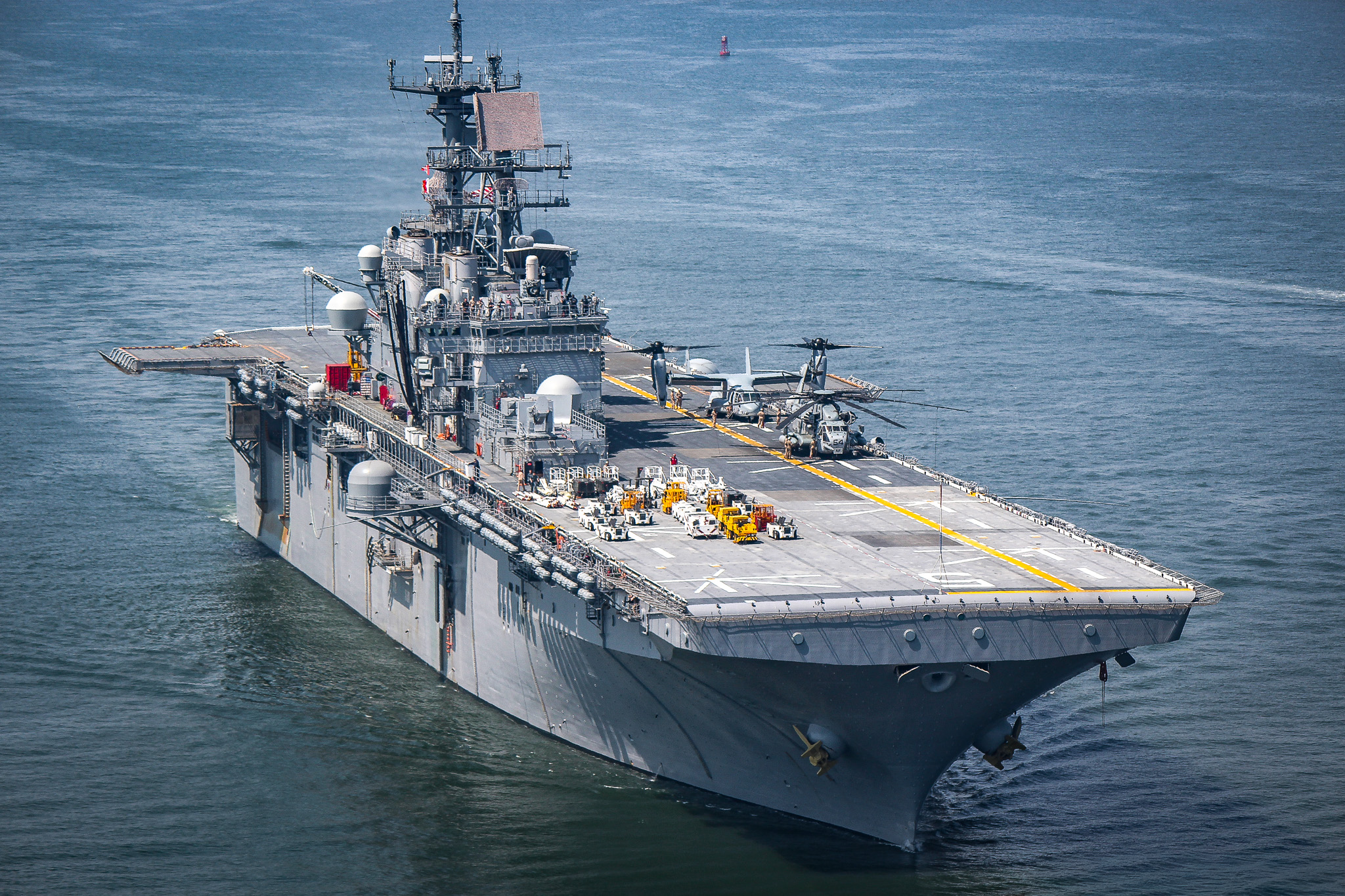
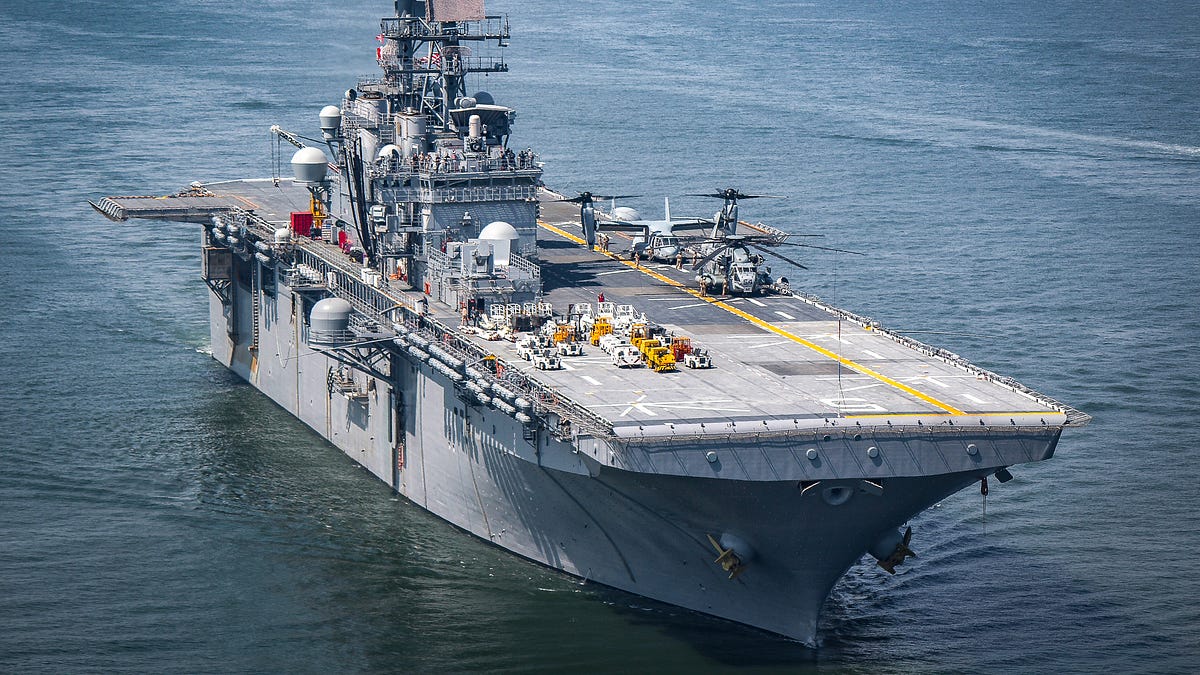
Trump ordered a US Navy blockade of Iranian ports starting Monday at 10am Eastern, and the framing everywhere is that this is about pressuring Tehran or baiting them into escalation. That read misses what's actually happening. The blockade isn't a dare to Iran. It's a transfer of control over the Strait of Hormuz from Tehran to Washington, and it works whether Iran resists or not.

16991.jpg

Run the scenarios and the logic gets clear. If Iran attacks the convoys, Trump escalates with full political cover and the regime doesn't survive round two. If Iran does nothing, the US Navy establishes permanent convoy authority over a fifth of global oil flow, and Iran watches its six-week leverage play evaporate without firing a shot.

16989.png

Both paths end with the Fifth Fleet as the new gatekeeper of Hormuz, and Brent stays north of $90 because the chokehold hasn't disappeared, it's just changed operators. The strait was always the prize. The ceasefire was the distraction.

16992.png

The actor nobody is publicly gaming out is China, which buys roughly 90% of the Iranian crude that moves through those tankers, paid for in yuan, and is exactly the traffic Trump said he'll interdict in international waters. The Saudi bypass pipeline Iran hit on April 8 was the early signal that the real fight was never about nuclear enrichment or Lebanon. It was about who decides which barrel reaches Shanghai. Nine days on the ceasefire clock and the consolidation is already underway.

16990.png

I track energy, infrastructure, and capital flows daily. If you got this far, consider subscribing to my free newsletter for weekly in-depth briefs on topics like this. https://breakingmetrics.substack.com

Breaking Metrics | Substack
Civil engineer and investor writing about markets, geopolitics, and how real-world systems break. Click to read Breaking Metrics, a Substack publication with hundreds of subscribers.
breakingmetrics.substack.com

BM
@breakingmetrics
Apr 9, 2026 · 6:14 PM
oil

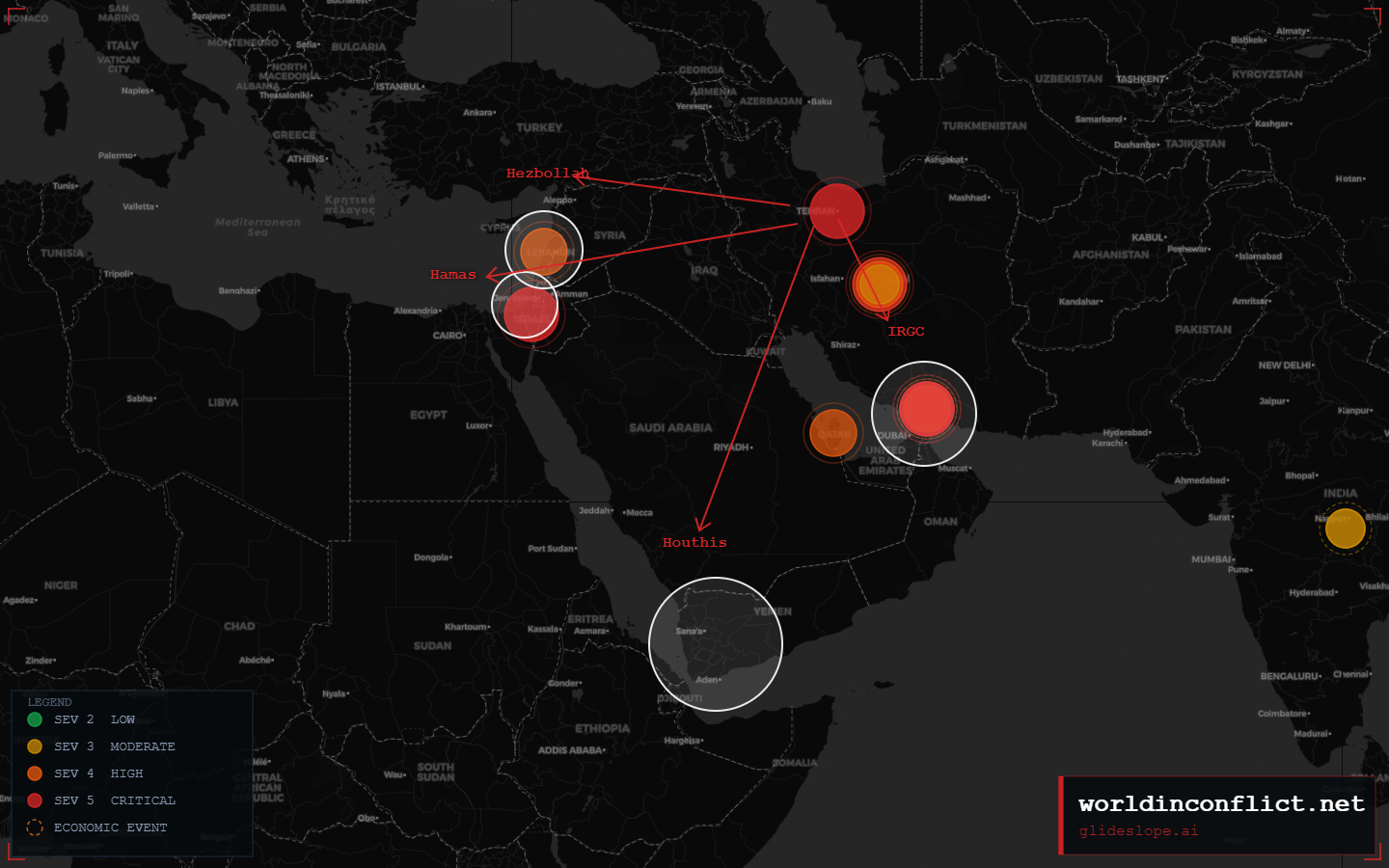
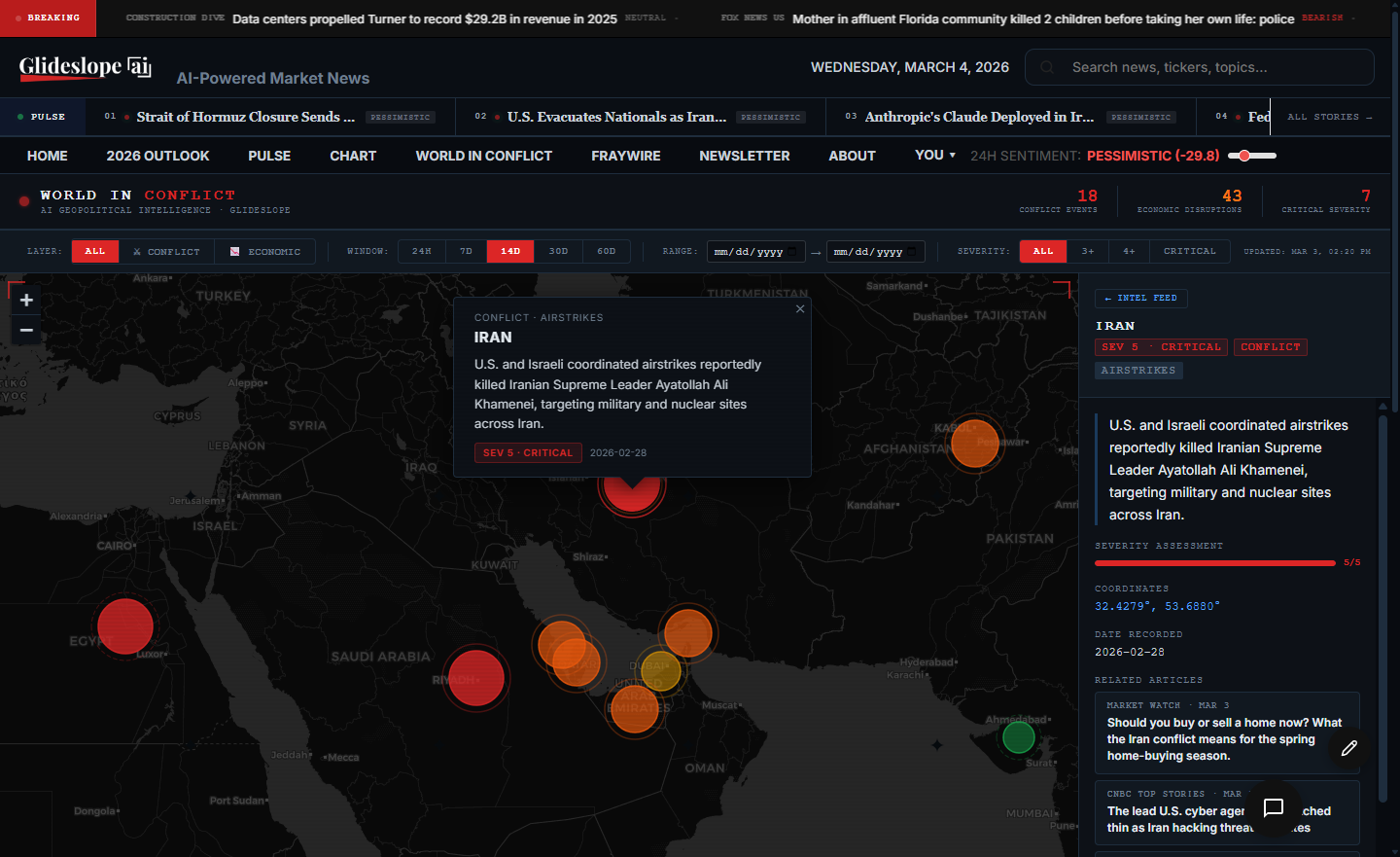
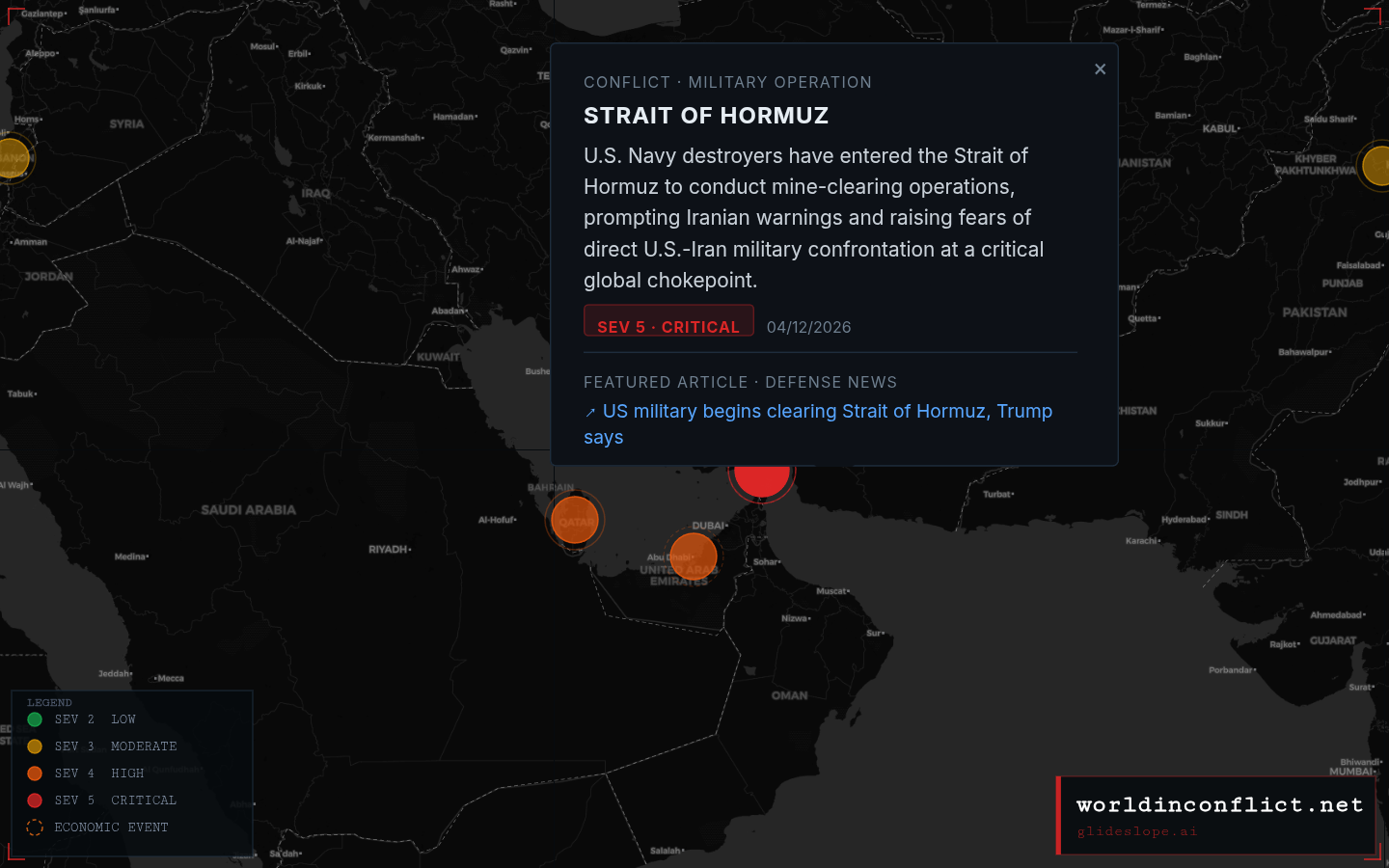
I built an AI map that tracks conflict zones and economic crises worldwide. It pulls from over 150,000 news articles I've been archiving for years to a database and analyzes the news on a geopolitical scale. Given everything happening in Hormuz and Lebanon, do you notice what region is quiet?

wic-snap-2026-04-09T22-21-16.png

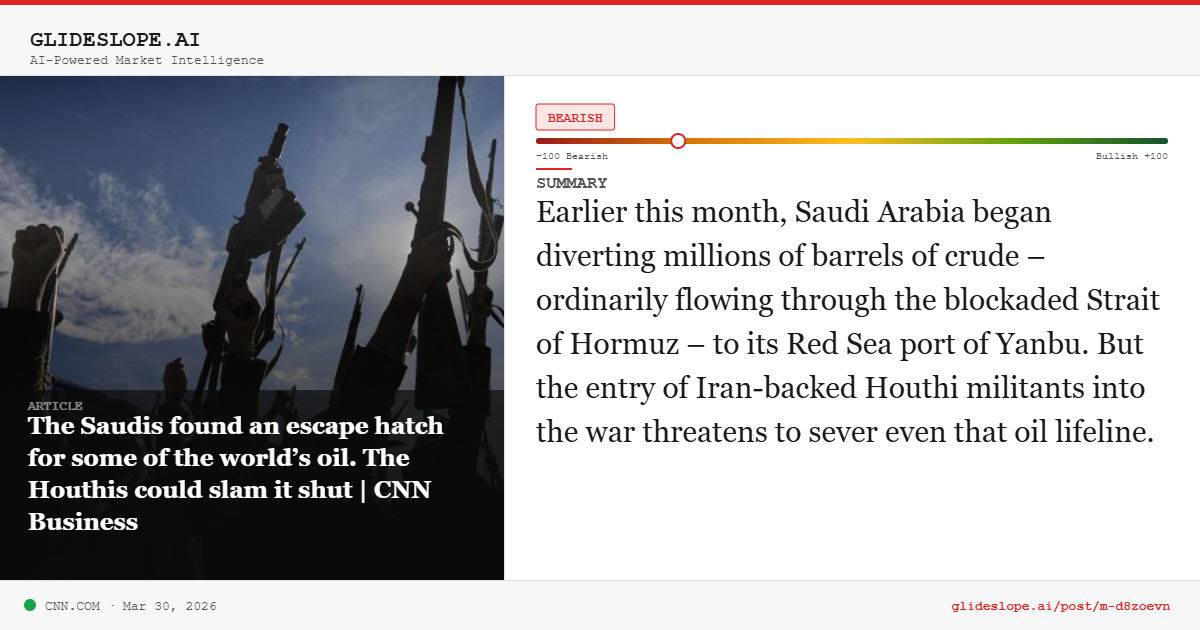
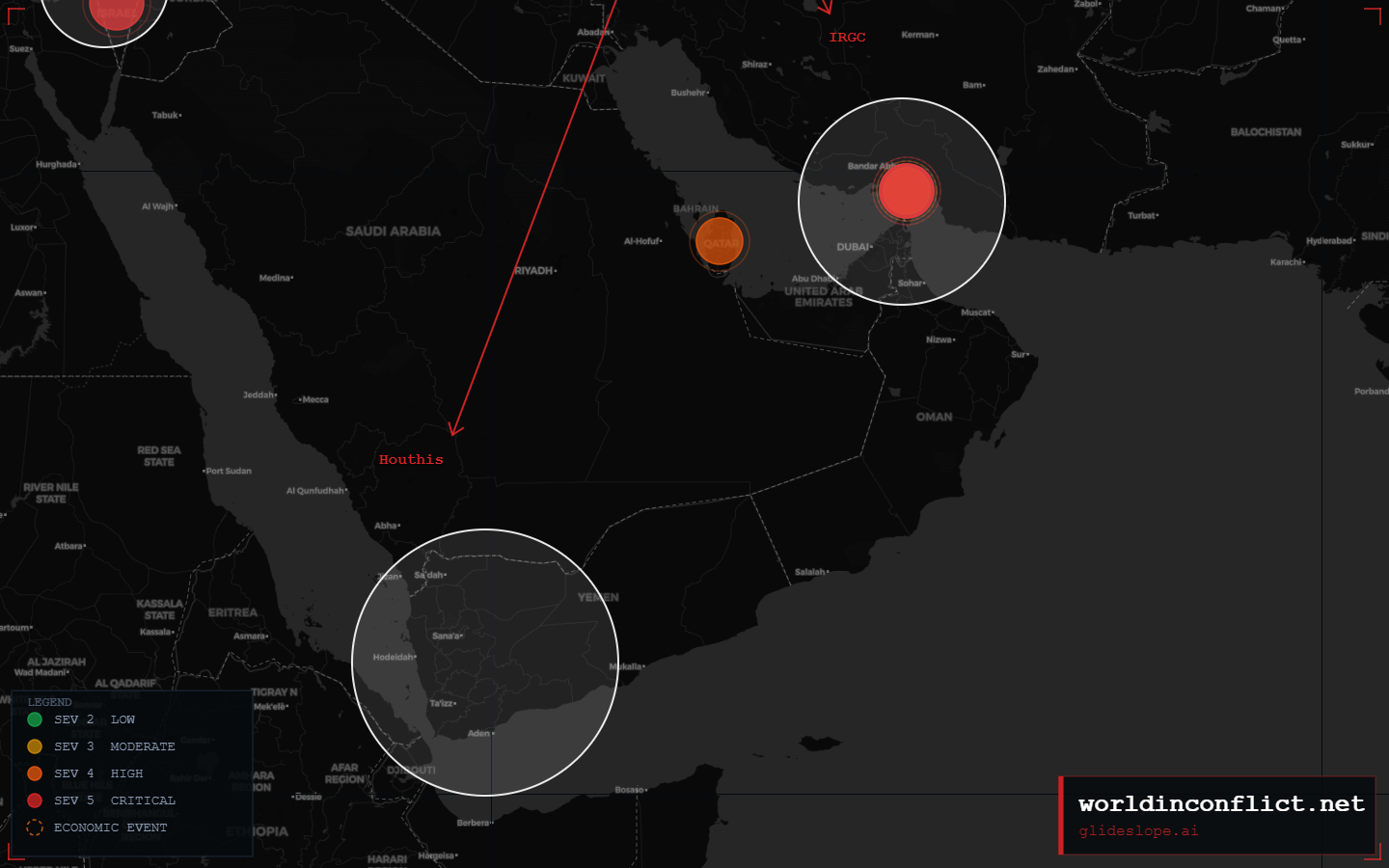
This is what World in Conflict does. It's built into Glideslope AI and reads the news for you. The Houthis have been quiet, for now, but any involvement by the Saudis could trigger another Strait closure, this time at the Bab al-Mandab Strait.

gs-snap-banner-m-d8zoevn.png

While the world is distracted with what Israel is doing, I'm keeping an eye on the Houthis and the Bab al-Mandab Strait. A conflict here can easily send oil to $150+ land-locked with zero change of exiting either side of the Saudi peninsula. Check it out at https://www.worldinconflict.net

wic-snap-2026-04-09T22-37-29.png
World in Conflict — Global Crisis Map
Live geopolitical conflict and economic disruption map powered by AI intelligence analysis.
www.worldinconflict.net

And if you got this far and want to see more of what I do and what I research, consider subscribing to my Substack @ https://breakingmetrics.substack.com

Breaking Metrics | Substack
Civil engineer and investor writing about markets, geopolitics, and how real-world systems break. Click to read Breaking Metrics, a Substack publication with hundreds of subscribers.
breakingmetrics.substack.com

Oil Supply Chain oil Mar 19, 2026
BM
@breakingmetrics
Mar 19, 2026 · 8:00 AM
oil

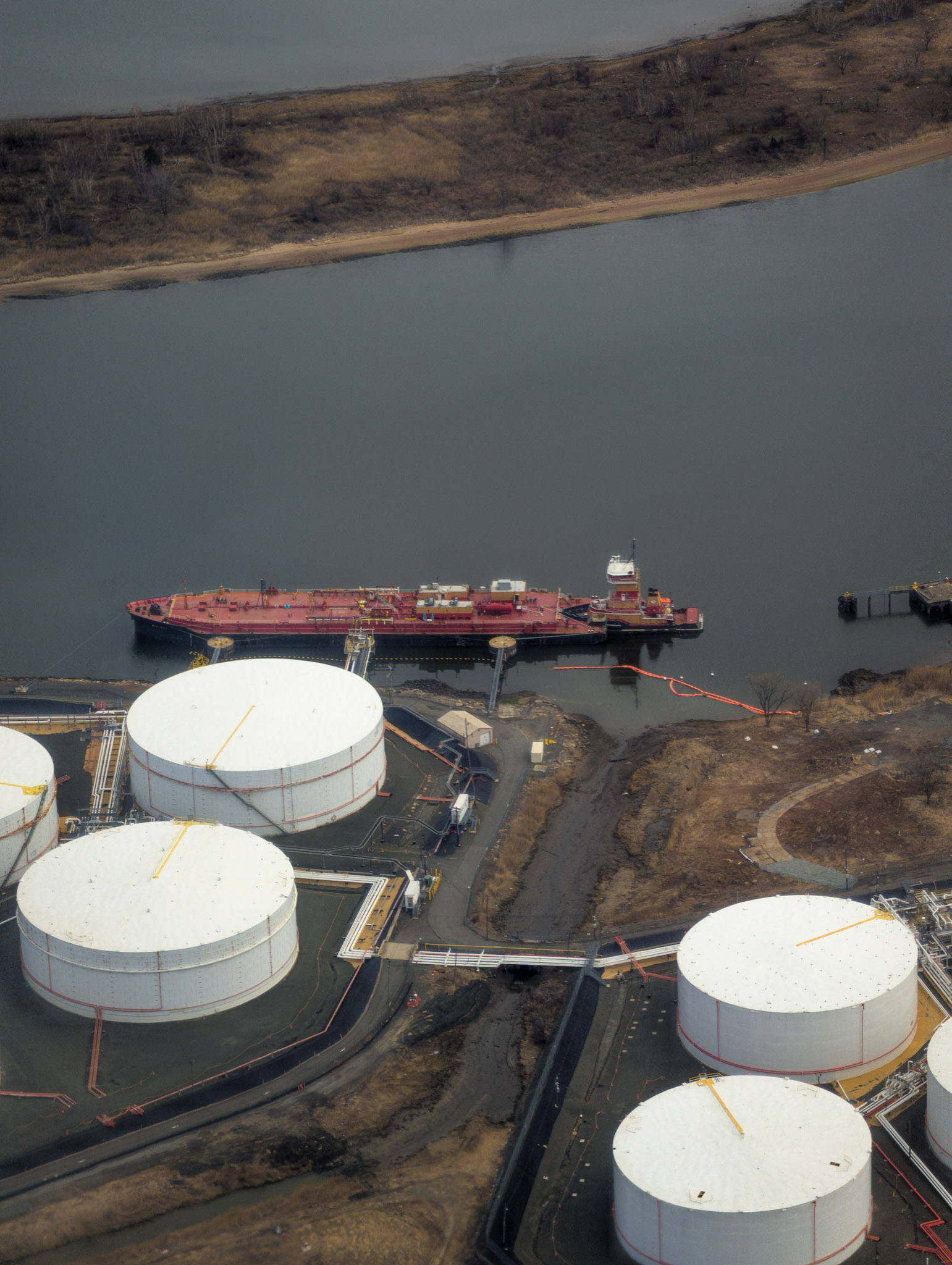
Every piece of infrastructure I've ever built has a rated capacity, and that number is a hard ceiling. The Saudi bypass pipeline was designed for 7 million barrels a day but the terminal at the other end wasn't. Right now the market is pricing the pipeline number and ignoring the terminal, and that's the wrong number to be watching.

PXL_20260318_170452564.jpg

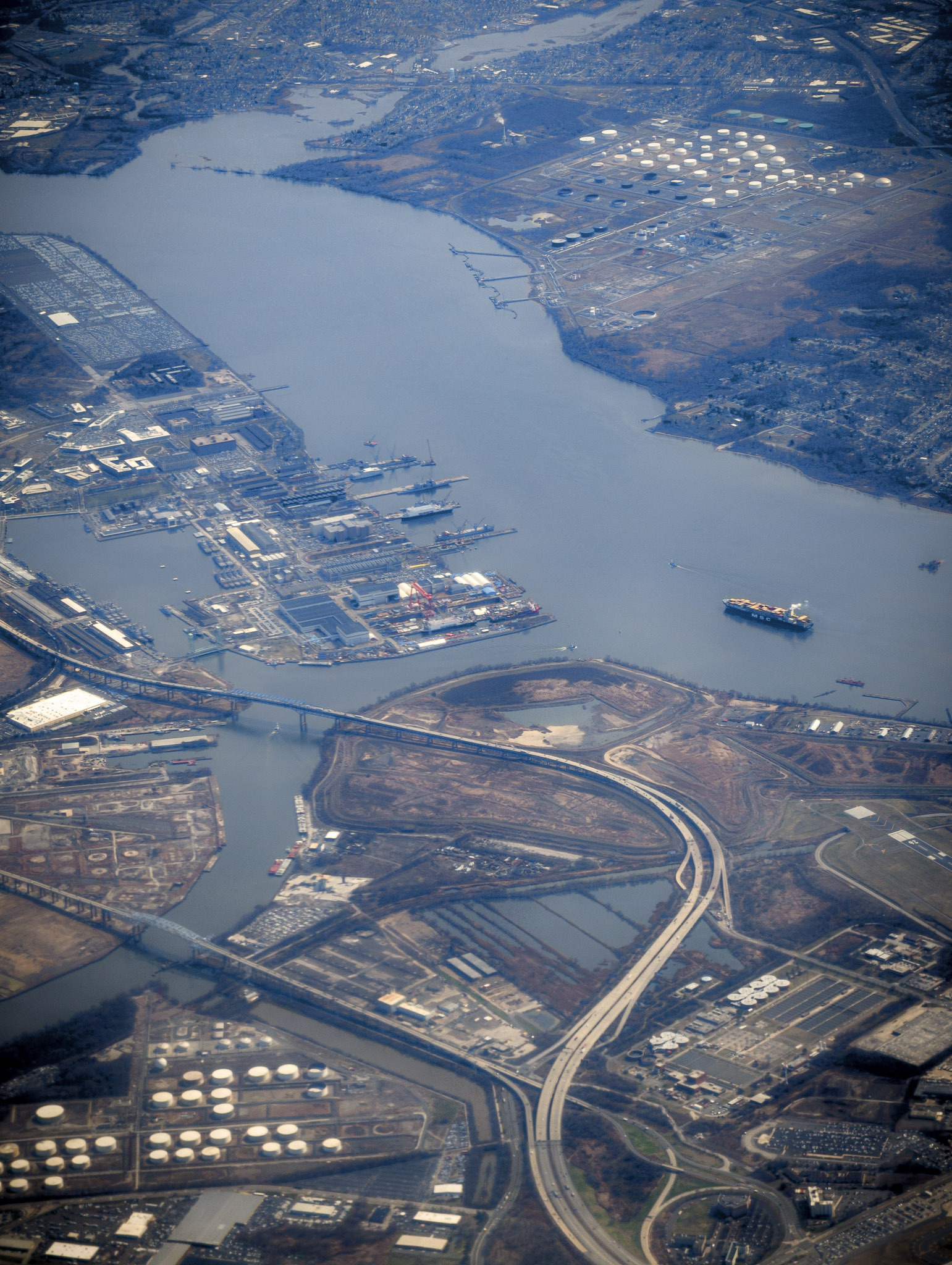
It starts at the wellhead. Crude gets lifted, processed through a separation facility to strip out gas and water, and then moves into a gathering pipeline network that feeds a central export terminal. At every stage there's a design capacity and an operational reality, and they're rarely the same number because the system was never built to run at 100% from end to end.

PXL_20260318_164828619.jpg

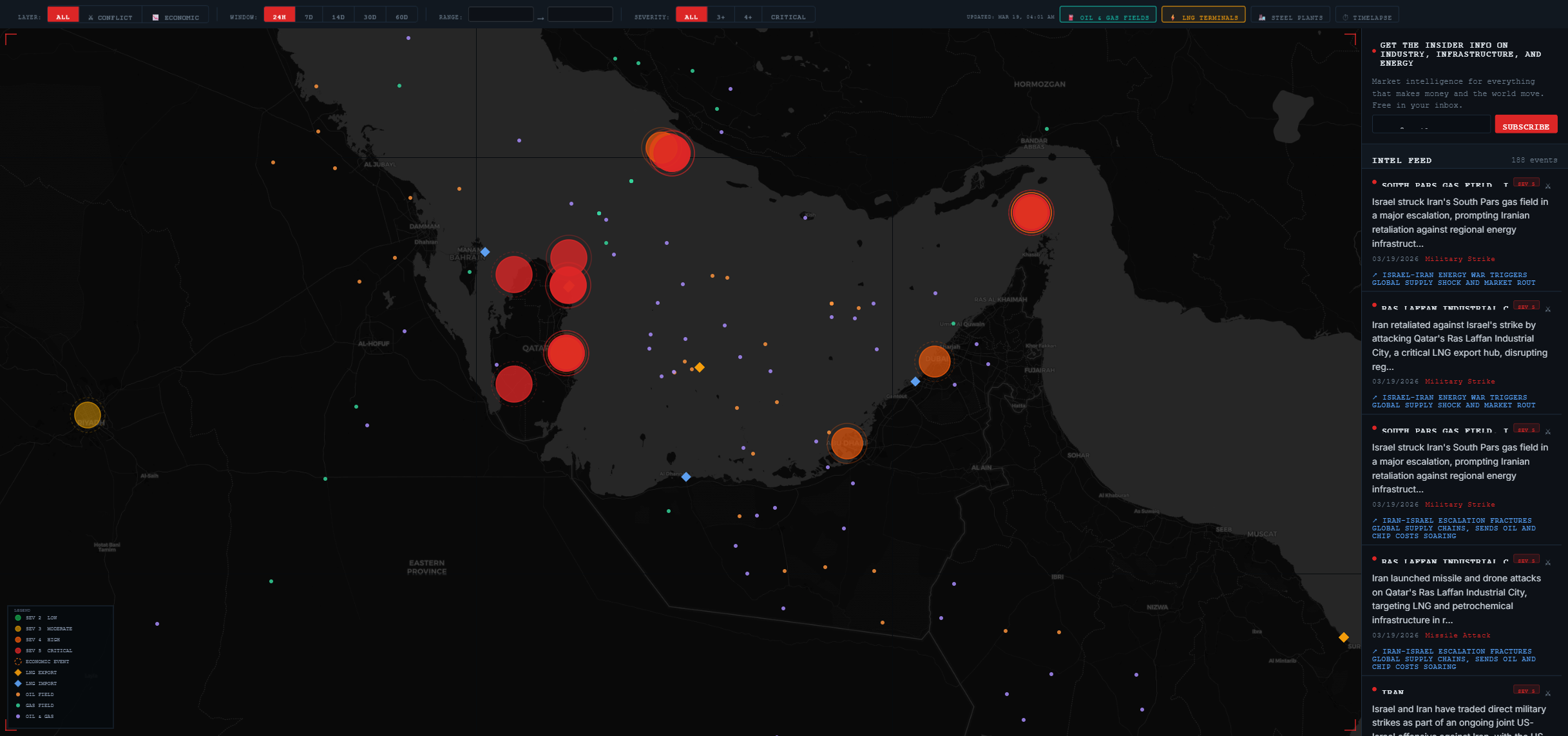
The Strait of Hormuz is where all of those gathering systems converge. Saudi Arabia, Kuwait, Iraq, the UAE, and Qatar all funnel their export volumes through the same 21 miles of water. On a normal day that's roughly 20 million barrels of oil and condensate plus 20% of the world's LNG moving through a chokepoint that's two miles wide at its navigable channel. There's no redundancy built into that system because for 40 years no none decided it would be a good idea to have one.

wic-snap-2026-03-19T12-07-02.png

Saudi Arabia has a bypass. The East-West Pipeline runs 750 miles across the peninsula and terminates at the Red Sea port of Yanbu, and as of March 11th it's running at full rated capacity for the first time in its history. The problem is that Yanbu was never designed to be a primary export hub.

gs-snap-banner-mvknude.png

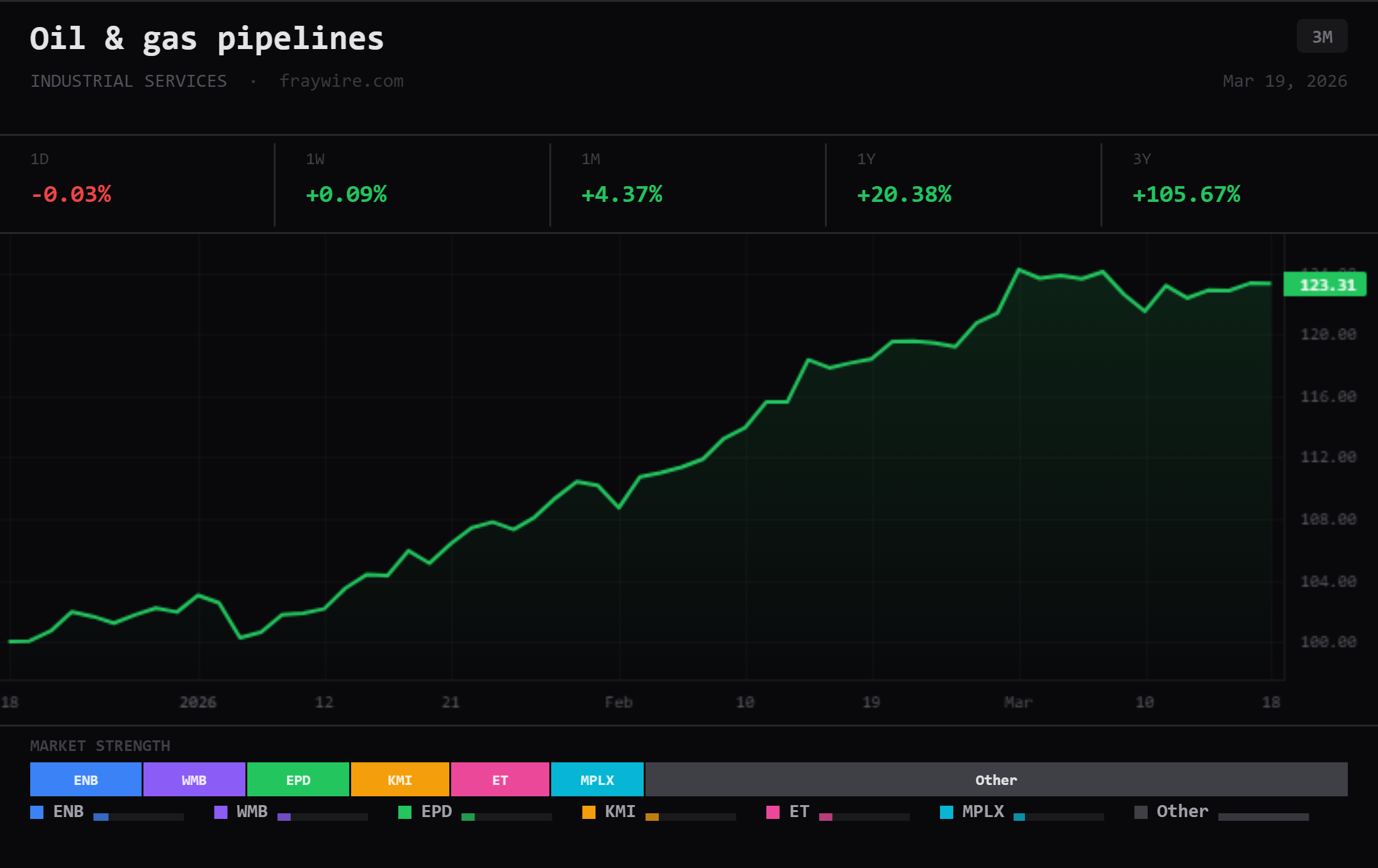
Oil and gas pipeline stocks on Fraywire are up 20% over the last year and 105% over three years, but they've been consolidating since the conflict started. The market ran these up on bypass capacity optimism and is now repricing around the terminal constraint. The pipeline isn't the problem; the exit ramp at the other end is.

Oil___gas_pipelines_industry_fraywire.png

The terminal's loading capacity, the number of berths, the tank farm volume, the loading arms, the approach channel depth for simultaneous VLCC traffic were never sized for what the pipeline can deliver. So the pipeline is bottlenecking to an ill-equipped port in need of upgrades. The infrastructure breakdown behind this story is in Saturday's piece: https://breakingmetrics.substack.com

Breaking Metrics | Substack
Civil engineer and investor writing about markets, geopolitics, and how real-world systems break. Click to read Breaking Metrics, a Substack publication with hundreds of subscribers.
breakingmetrics.substack.com

Let Them Eat Crude oil Mar 14, 2026
BM
@breakingmetrics
Mar 14, 2026 · 8:43 PM
oil

America just became the only large-scale Western oil supplier left standing with clean title to its production and a secured western hemisphere corridor. That outcome was visible in January. Most people didn't see it because they were watching the wrong number.

IMG_7988-2.jpg

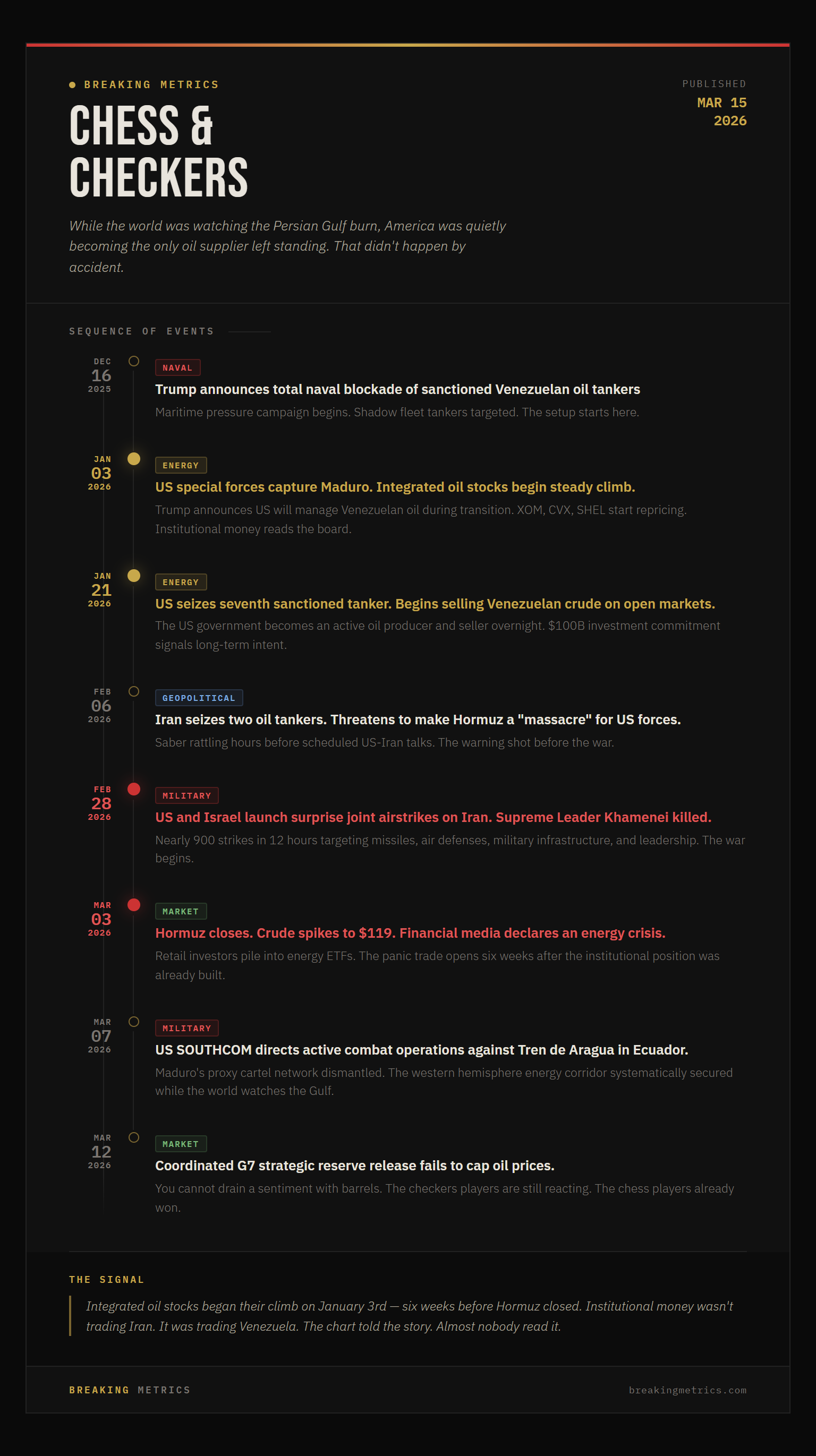
The sequence was never reported as one story. It was covered as isolated headlines. Read it as a single timeline: — Naval blockade: December — Maduro removed: January — Venezuelan infrastructure under American operational control: weeks later — Ecuador stabilized through direct military engagement: March — Hormuz closes: also March The board was set before the first missile left Iranian airspace.

_C__Users_Royan_Desktop_chess-checkers-timeline.html.png

Venezuela holds the largest proven oil reserves on earth, roughly 300 billion barrels. Production had collapsed from 3.5M barrels/day in the late 1990s to under 900K today. The infrastructure is recoverable. The reserves are enormous. The single largest obstacle to American access had just been removed. Institutions read that sequence in January and moved accordingly.

gs-snap-post-f6lqnz0.png

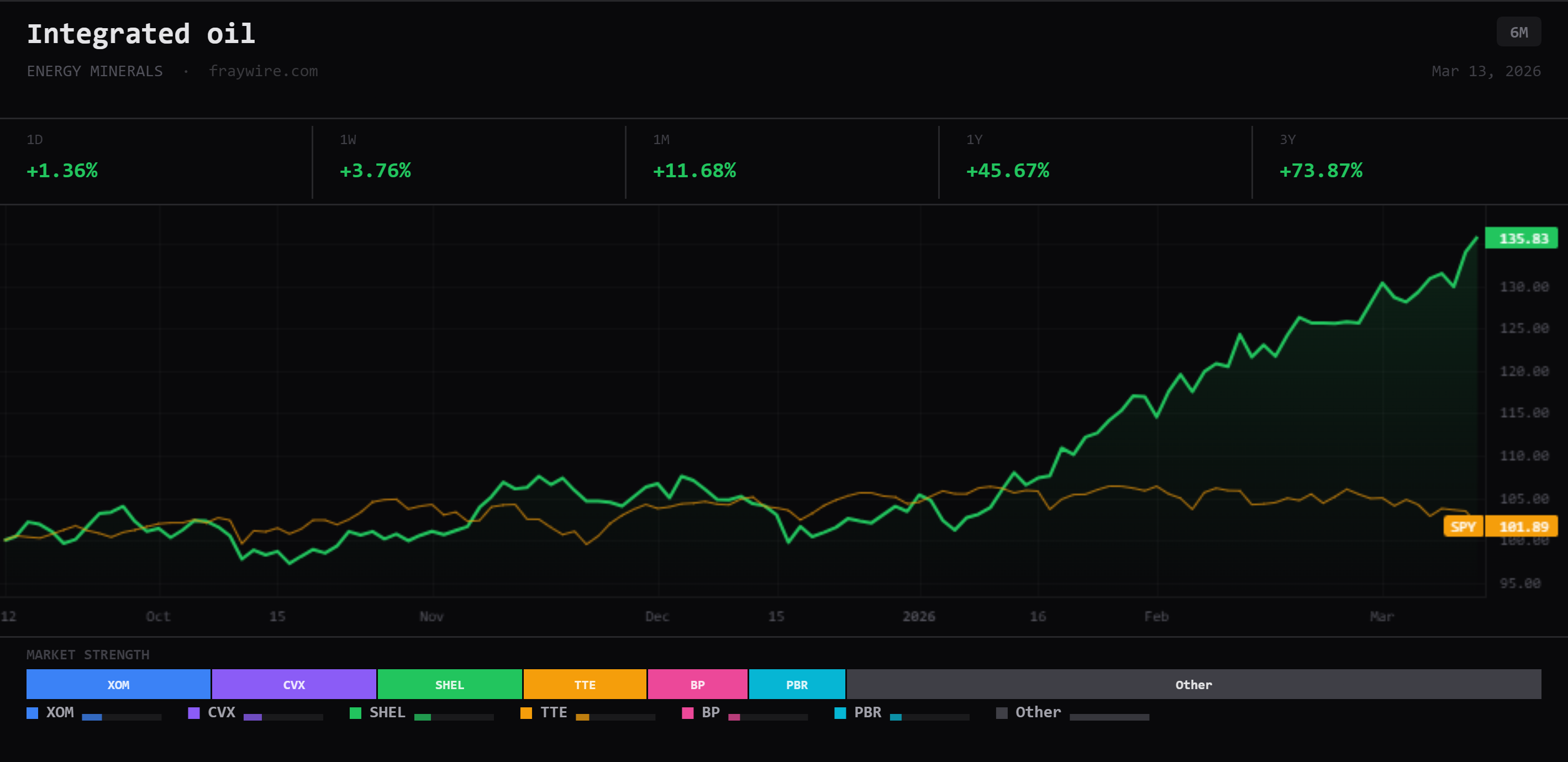
Retail found out in March when crude hit $119 and bought the top. Two completely different markets were operating simultaneously on the same commodity. Spot crude ran on fear and headlines. Integrated oil stocks ran on institutional strategy. Most retail investors couldn't tell the difference because they were watching the wrong number.

Integrated_oil_industry_fraywire.png

Integrated oil stocks started climbing January 3rd. Iran didn't close Hormuz until March 3rd. If the rally was about Iran, what exactly was the market pricing for those six weeks? Read the full breakdown: https://open.substack.com/pub/breakingmetrics/p/forcing-checkmate

Let Them Eat Crude
While retail was playing checkers, institutional money was already three moves into a forced checkmate.
open.substack.com

BM
@breakingmetrics
Mar 12, 2026 · 10:23 AM
oil

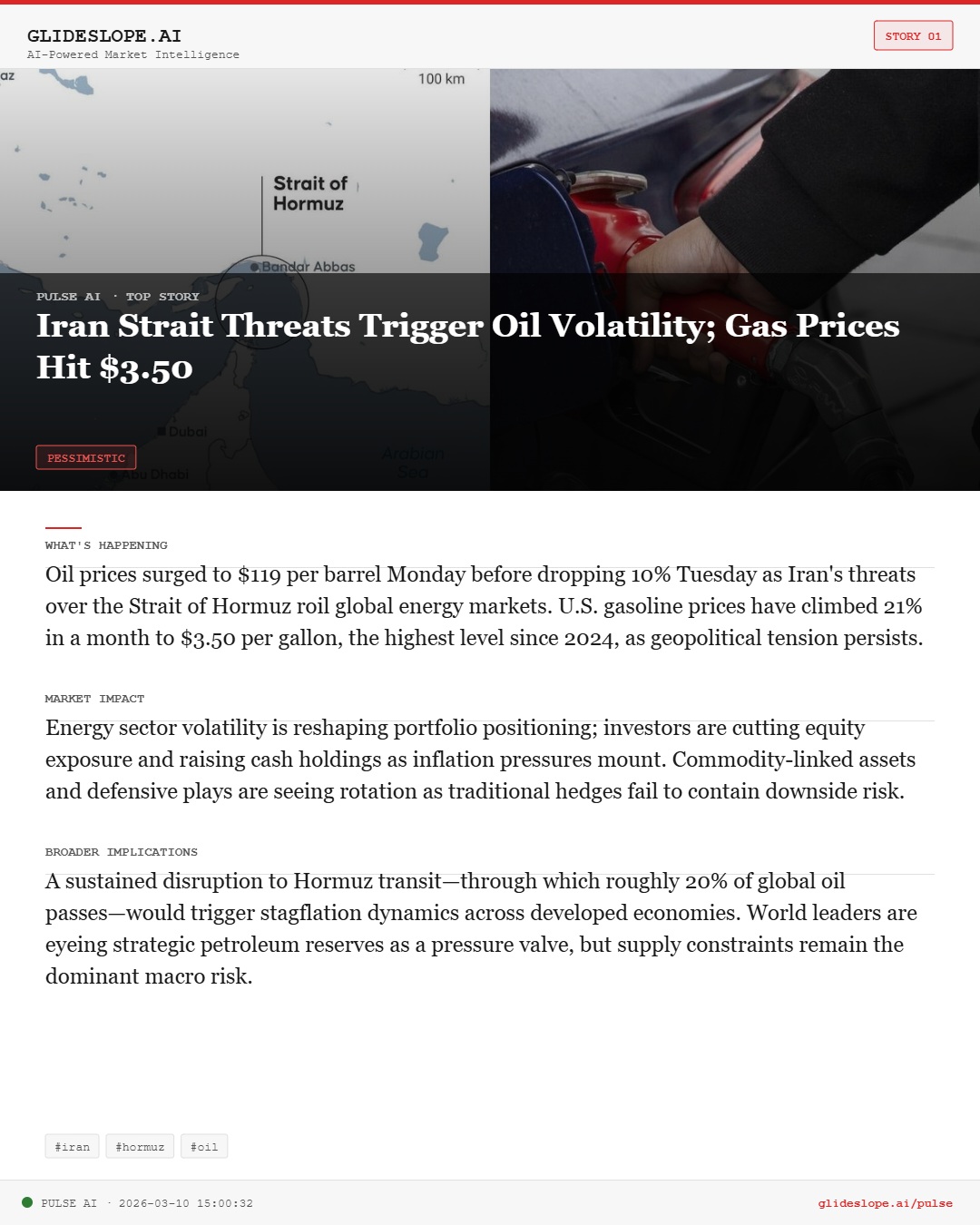
Global governments released record emergency oil reserves overnight in a coordinated effort to cap prices. Crude went up anyway. Three more ships were struck in the Persian Gulf this morning. The SPR dump failed. Here is what that actually means.

650855324_17953773774099555_3020726563415948514_n.jpg

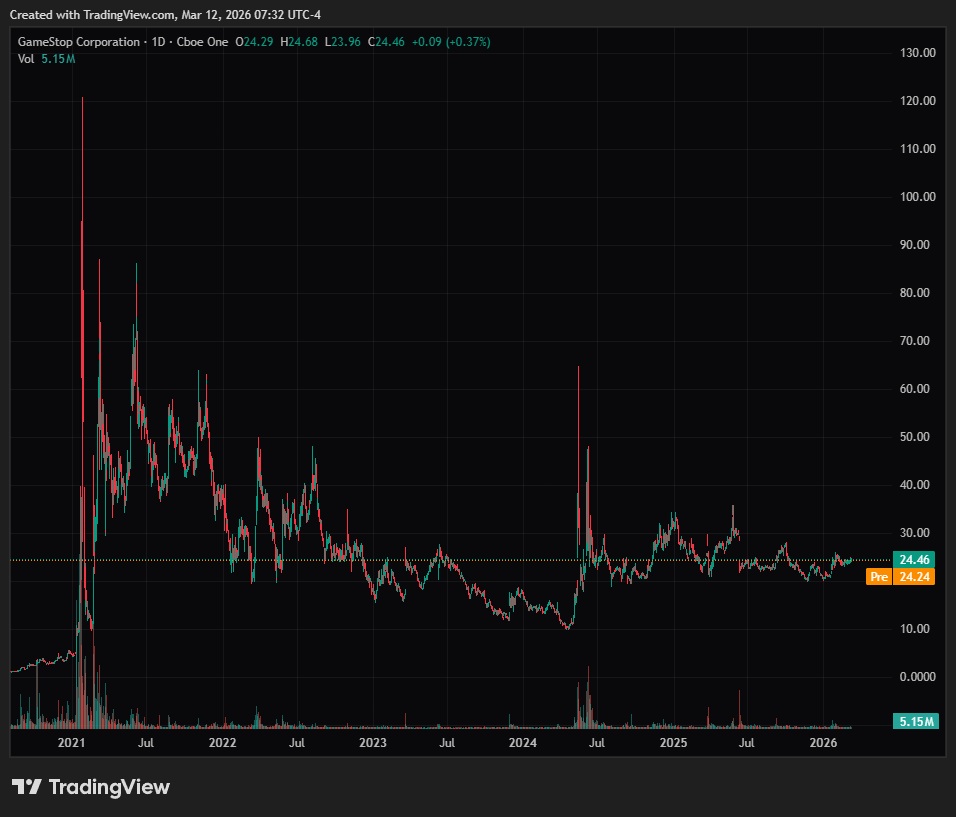
I've watched this pattern since COVID. GameStop had no fundamentals. AMC had no fundamentals. Crypto had no fundamentals. Gold is up 40% on what exactly. Now oil ignores a coordinated G7 reserve dump because Iran said $200. Markets aren't pricing reality anymore. They're pricing the story people tell about reality.

650900652_17953773795099555_8922484407724347155_n.jpg

This isn't new. It's just more visible now. When sentiment drives price, the traditional tools stop working. Reserve releases, rate decisions, earnings reports — none of it matters if the narrative is stronger than the data. The most powerful pricing mechanism in human history has become a sentiment machine.

What that means practically: oil stays elevated not because supply is actually constrained, but because nobody believes the constraint is going away. That's a different problem than the one governments are trying to solve with reserve dumps. You can't drain a sentiment with barrels. Is there any policy tool left that actually works on a sentiment-driven market, or have we just accepted that vibes set the price now?

650753199_17953773822099555_6964105246974596456_n.jpg

$90 Oil oil Mar 11, 2026
BM
@breakingmetrics
Mar 11, 2026 · 11:29 PM
oil

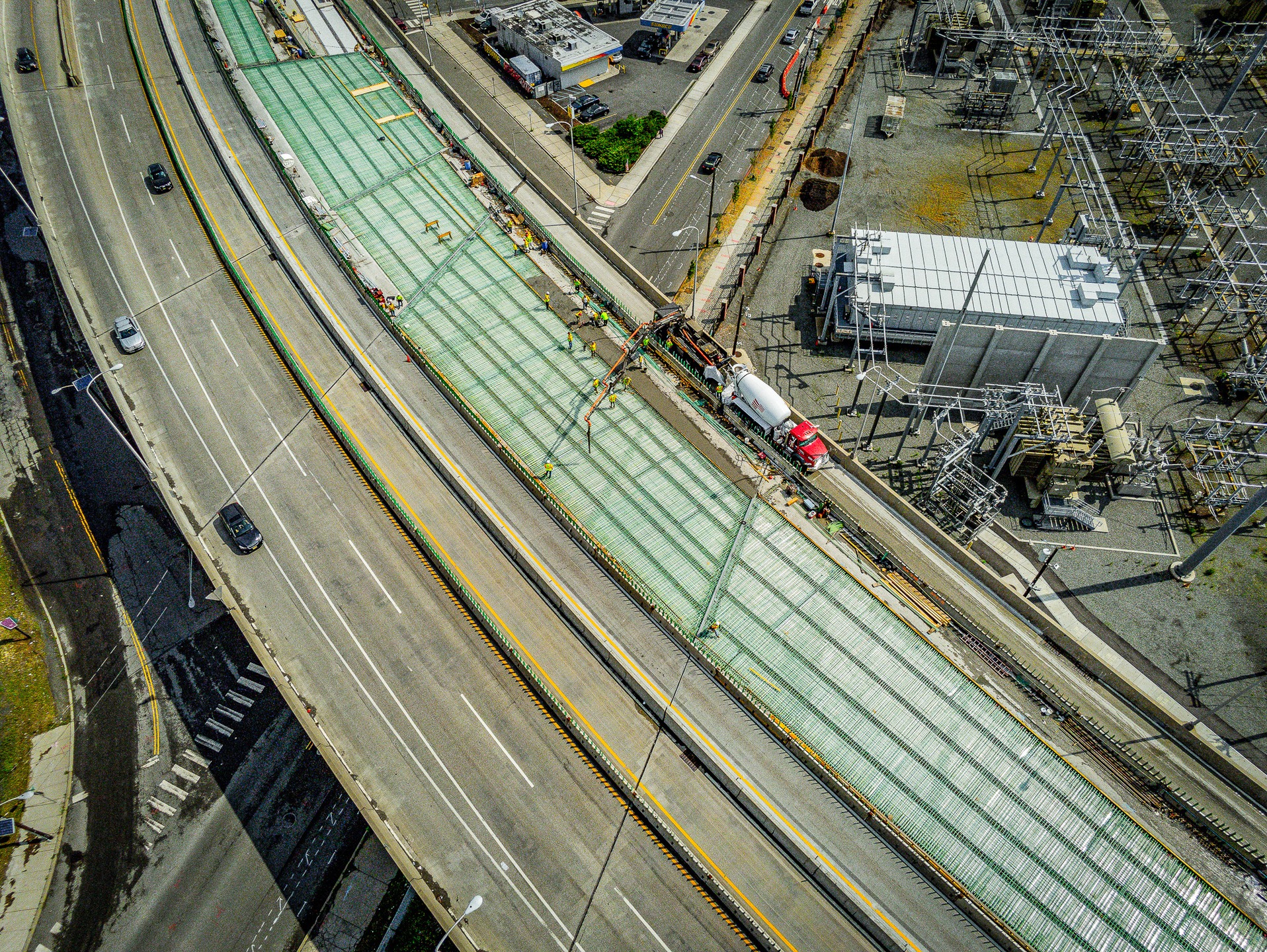
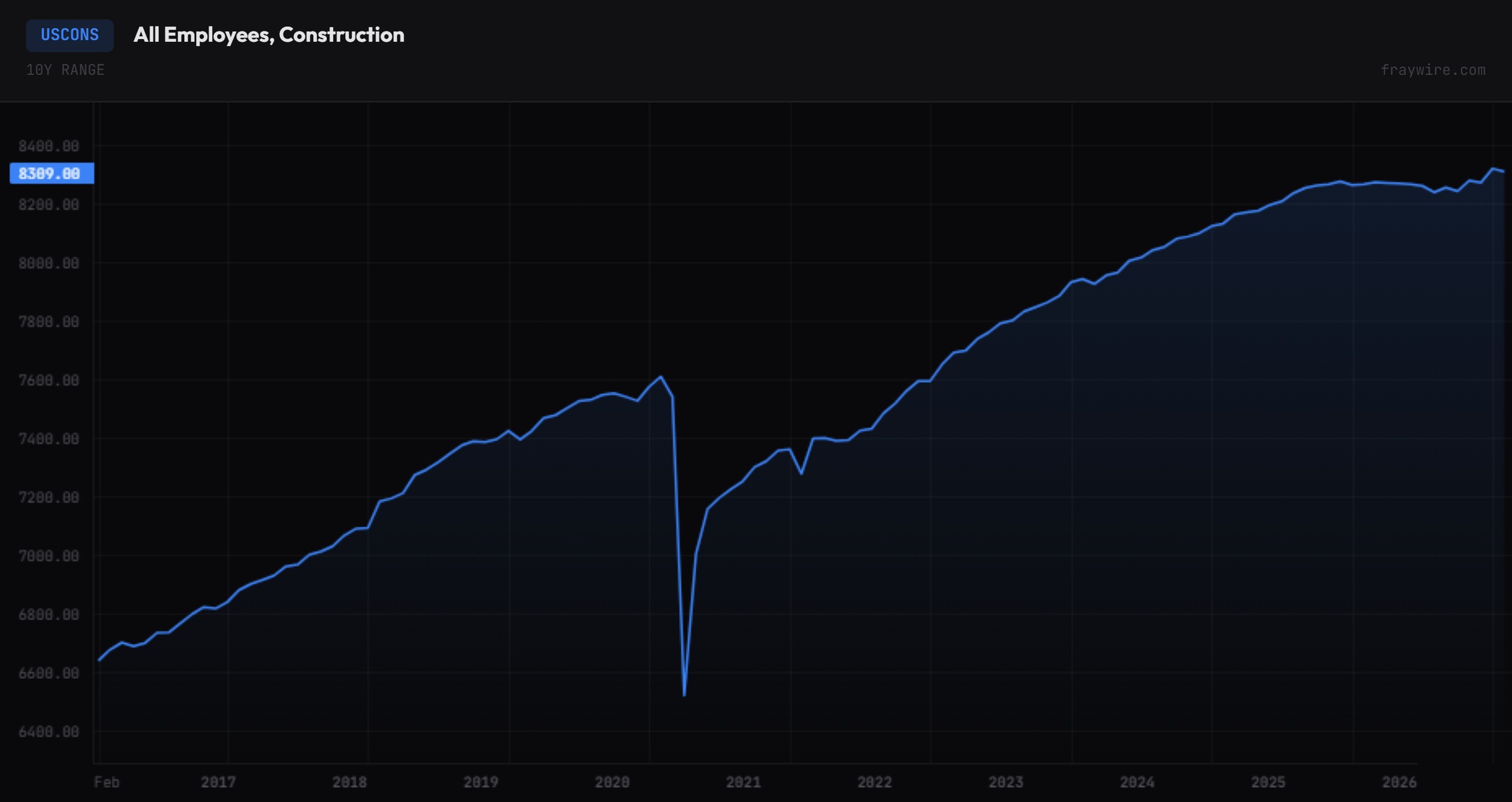
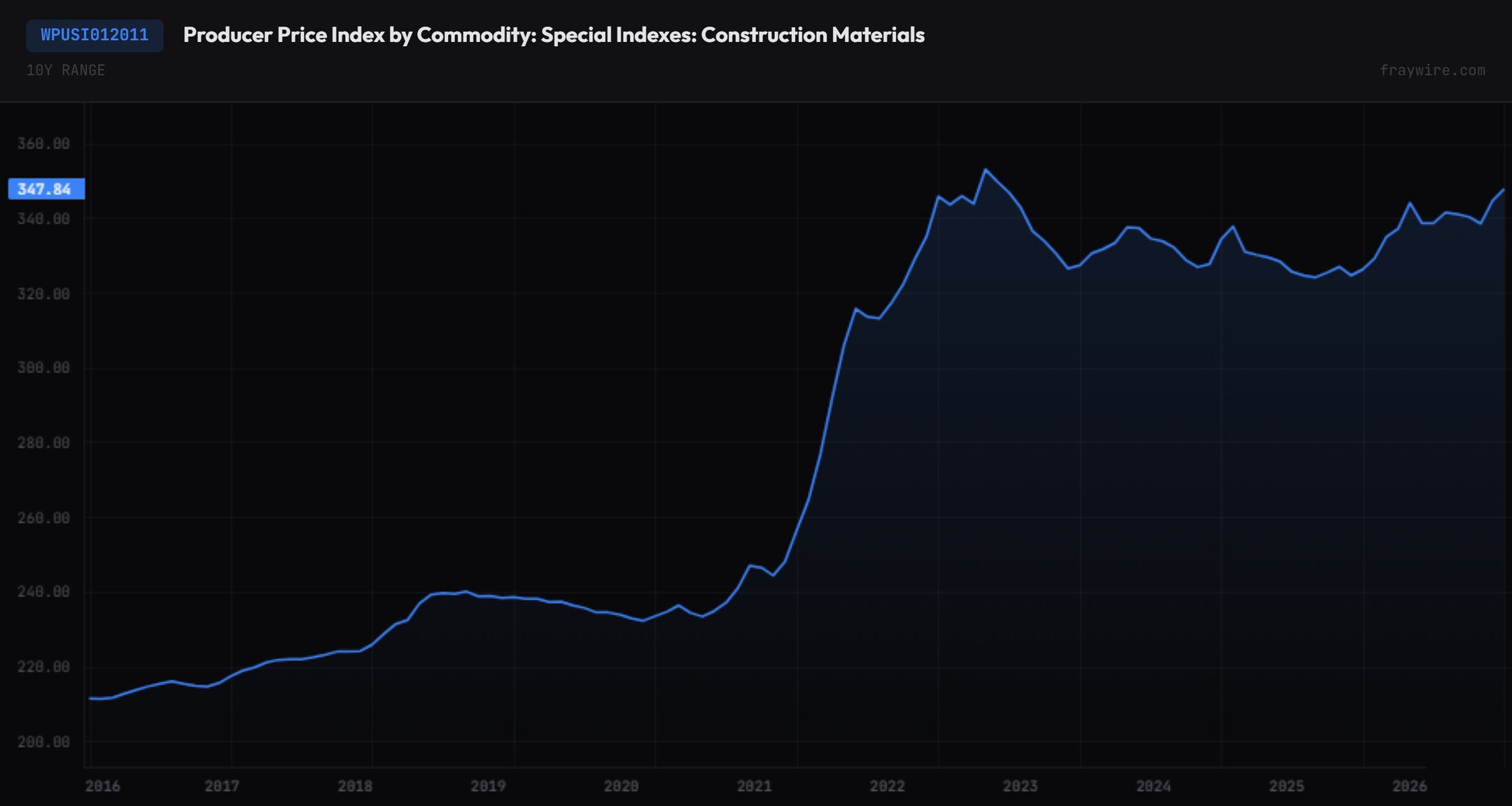
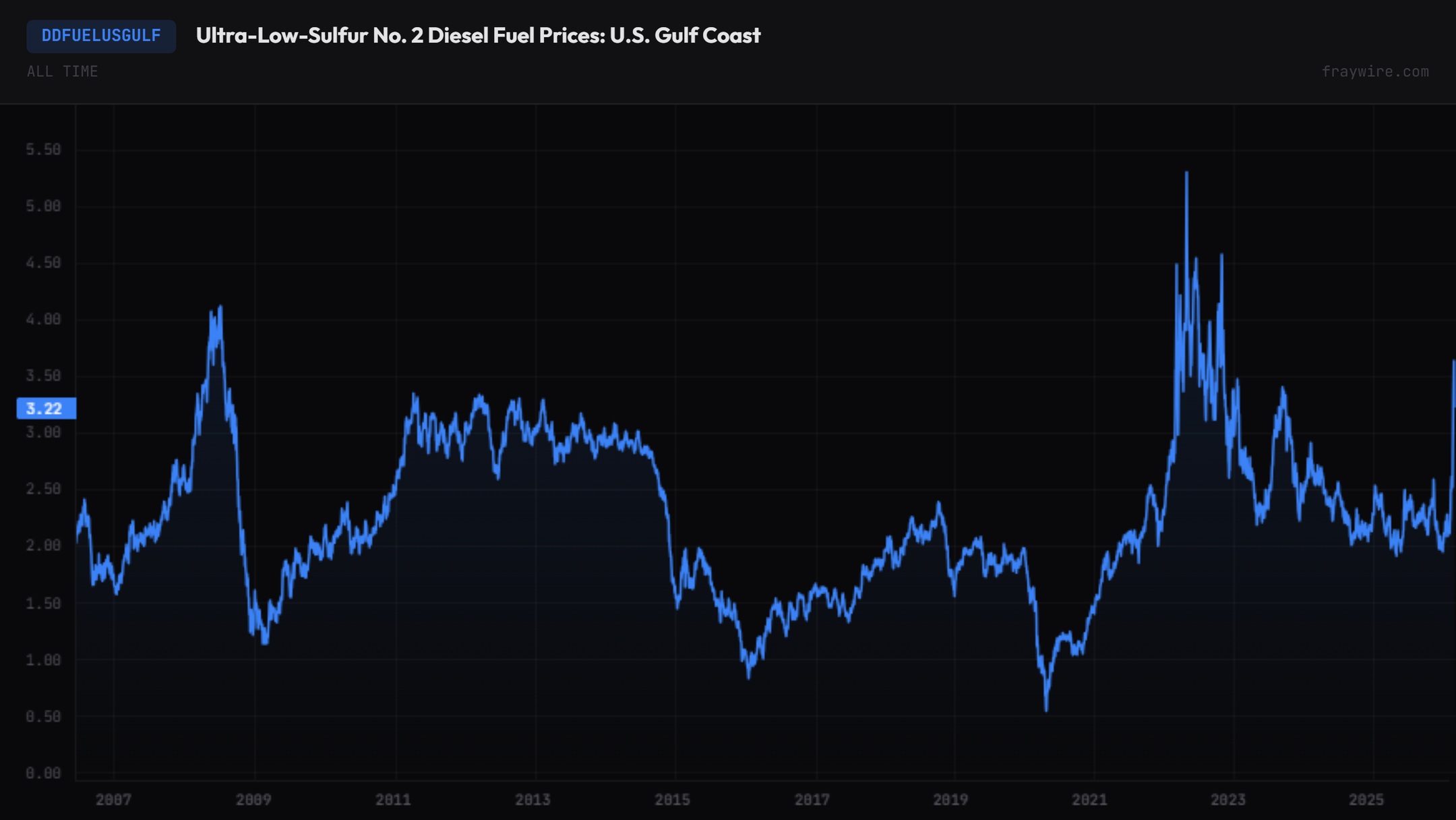
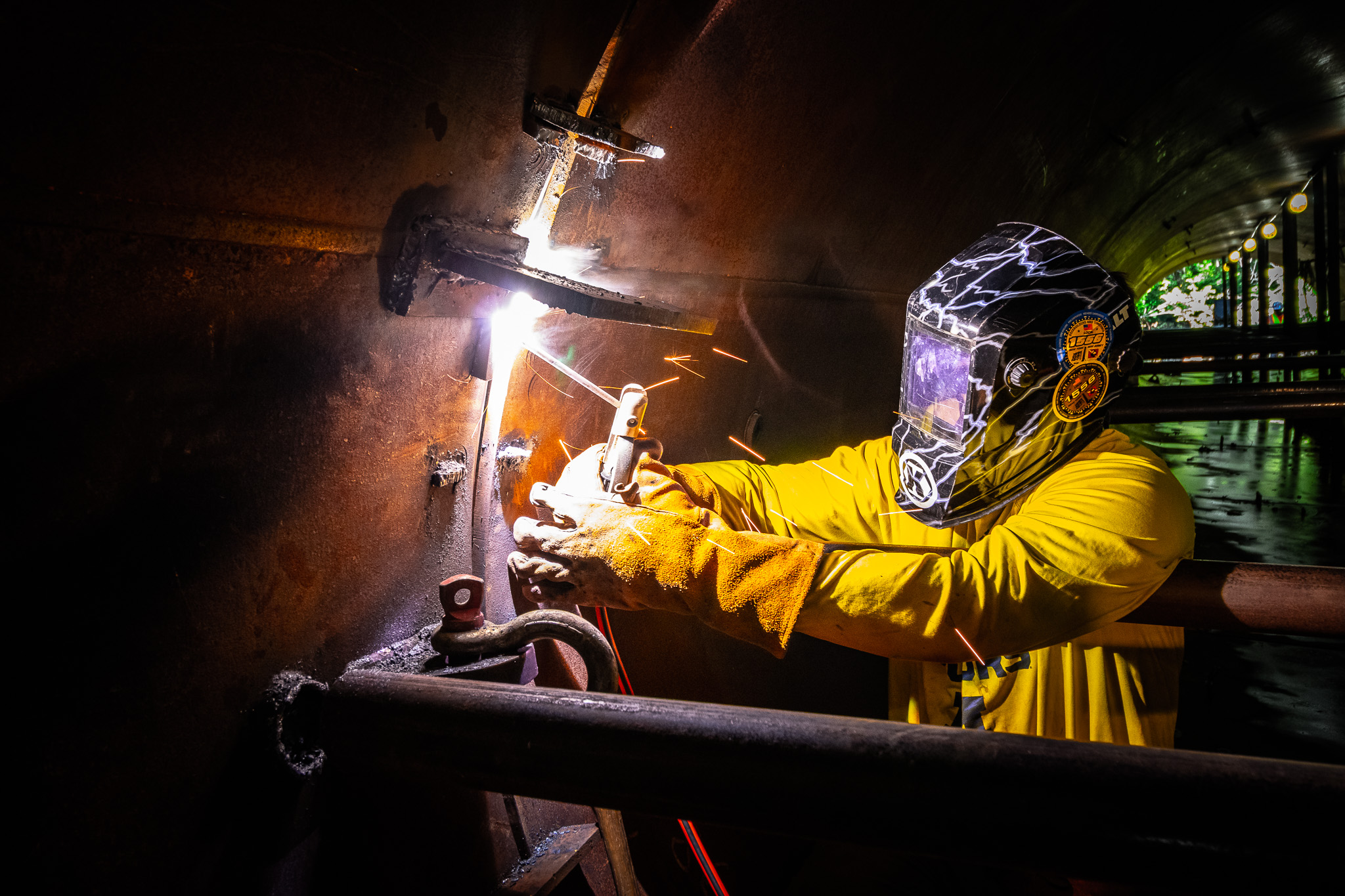
The media wants you to believe $90 oil is breaking the construction industry. I've spent 16 years managing heavy civil contracts in the NYC metro area and I'm telling you it isn't. Here is what actually drives project costs, and fuel isn't high on the list.

649237941_17953642284099555_1019195772506526191_n.jpg

The costs that actually determine whether a job makes money or loses it are labor and insurance. Labor is one of the few variable costs a contractor can actually control. It's where project managers earn their keep. Insurance premiums are negotiated well before the first shovel hits the ground. Neither has anything meaningful to do with the price of crude oil trading on a Monday morning.

651205817_17953642833099555_3232232041104261812_n.jpg

Material costs are where people assume oil exposure is highest. By the time oil pricing works its way through a steel fabricator or a concrete supplier and reaches the project budget, the connection is so many degrees removed that the difference on a $50 million contract is negligible.

650041149_17953642614099555_427309496754186377_n.jpg

Vendor and Subcontractor costs are locked in at buyout. PO's and vendor contracts get executed before the job starts. Escalation clauses exist precisely because everyone in the industry already knows this argument will come up.

649461142_17953643223099555_3075047742770844557_n.jpg

We saw $4 to $5 gasoline during the Iraq War. Public infrastructure jobs got built, private development continued, and money got made. The construction industry didn't collapse then and it won't now. Equipment fuel costs on a typical heavy civil job amount to a rounding error on a capital project budget. The insurance industry will find creative reasons to raise premiums regardless of what oil does, and that is the cost contractors actually lose sleep over.

651013519_17953643175099555_8494043069963275766_n.jpg

The one place oil genuinely matters in construction is in petrochemical-derived products like certain coatings, sealants, and specialty applications. Those costs get absorbed, spread across multiple parties, or repriced at the next contract cycle. Investors pricing in a construction industry doomsday because crude hit $90 are reading the wrong cost drivers entirely. The jobs will get built.

Fraywire Terminal
www.fraywire.com

Oil Spike in 72 Hours oil Mar 10, 2026
BM
@breakingmetrics
Mar 10, 2026 · 11:38 PM
oil

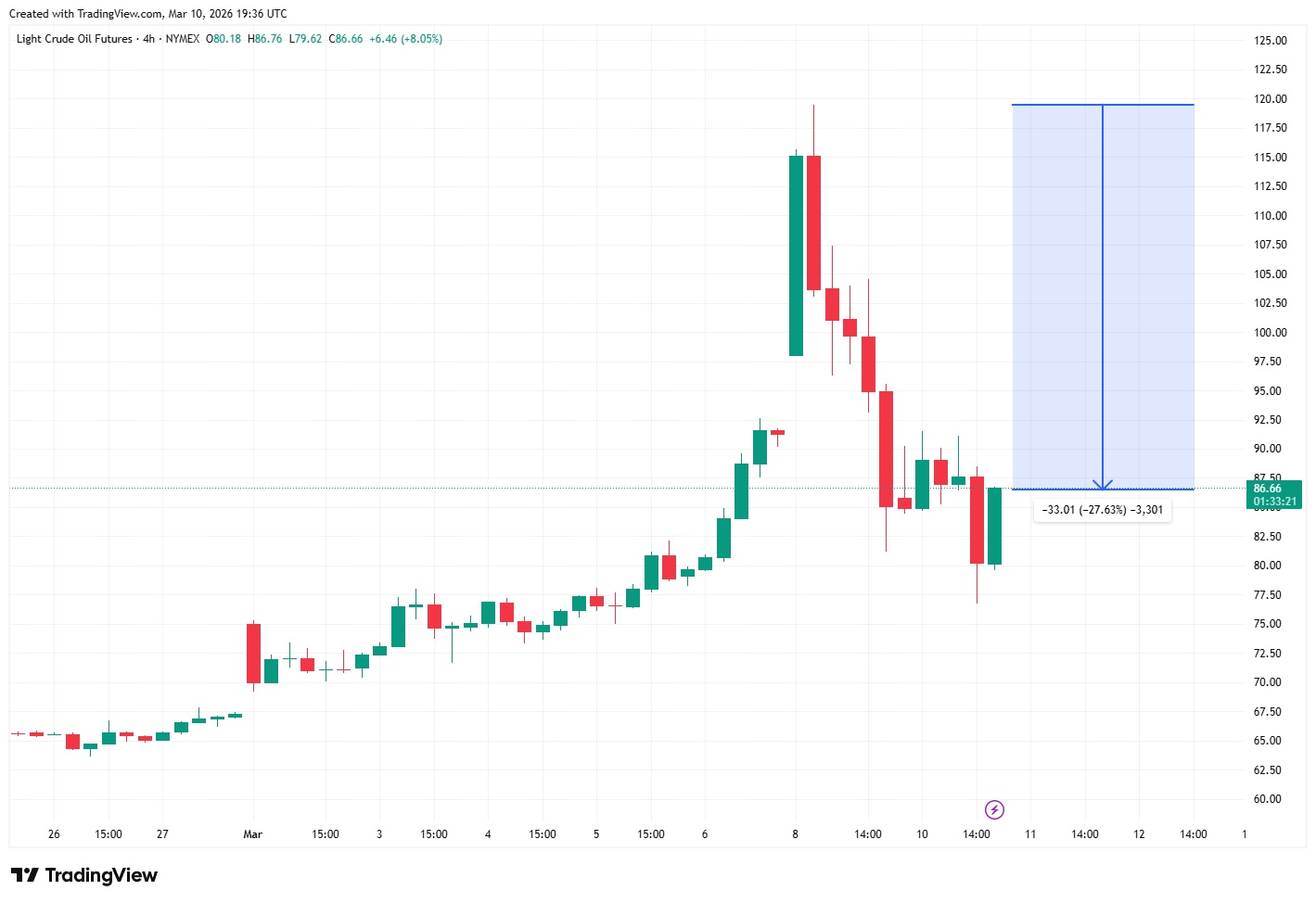
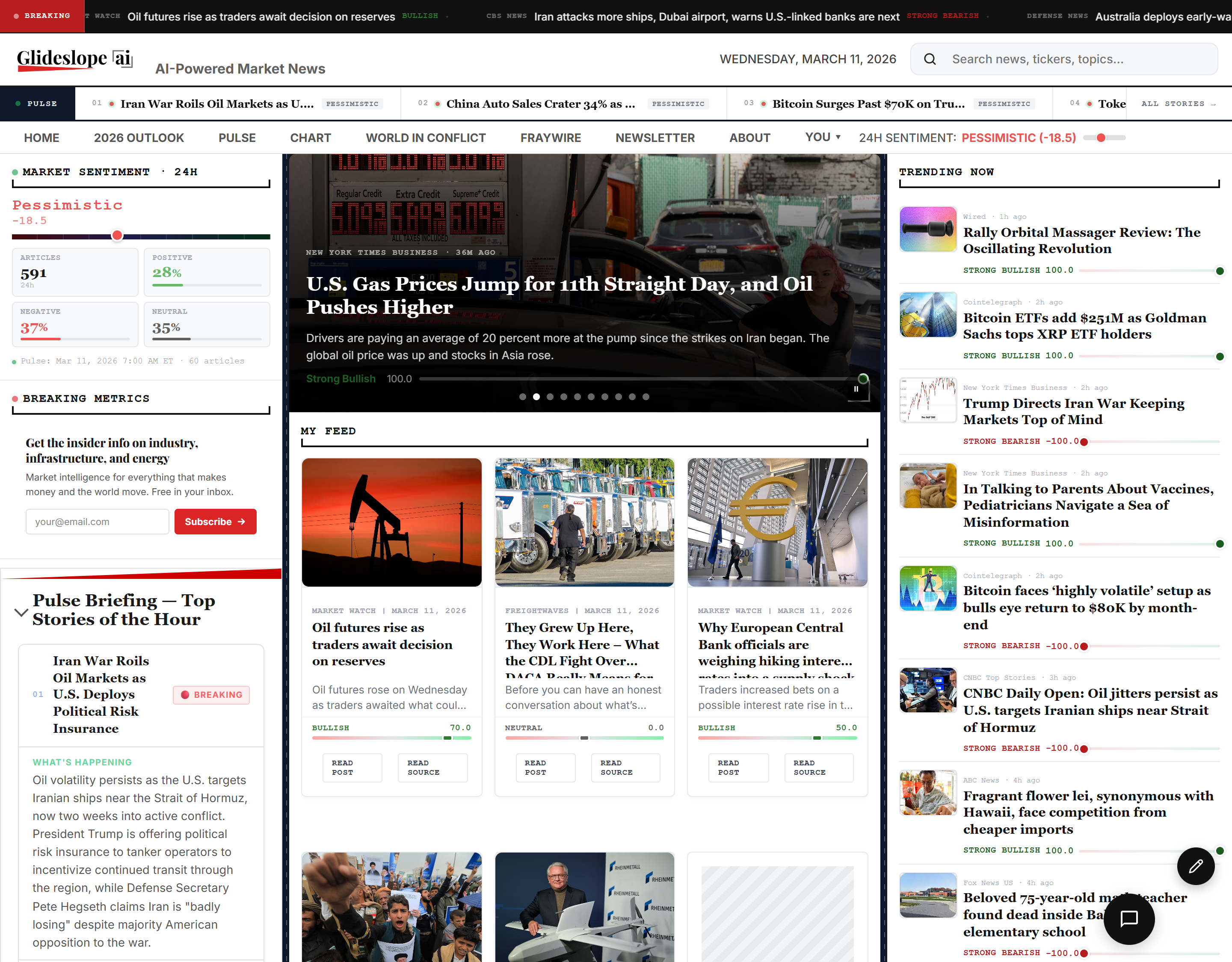
Oil spiked 27% in 72 hours and the financial media declared an energy crisis. The same media is now scrambling to explain why it gave most of it back in 48 hours. I've been watching this unfold all week and the real story isn't the price. It's who didn't panic.

650998074_17953442592099555_824760569573527609_n.jpg

Crude oil futures peaked at $119 per barrel on Monday and are trading at $86.66 today. That is a 27.63% drawdown from the weekly high in less than 48 hours. The media covered the spike extensively but the collapse is a footnote. A move of this magnitude isn't normal market behavior. It's a fear premium being priced in and then priced back out as the underlying reality became clearer. Iran's military capabilities are deteriorating.

649855902_17953442904099555_6142597283502797960_n.jpg

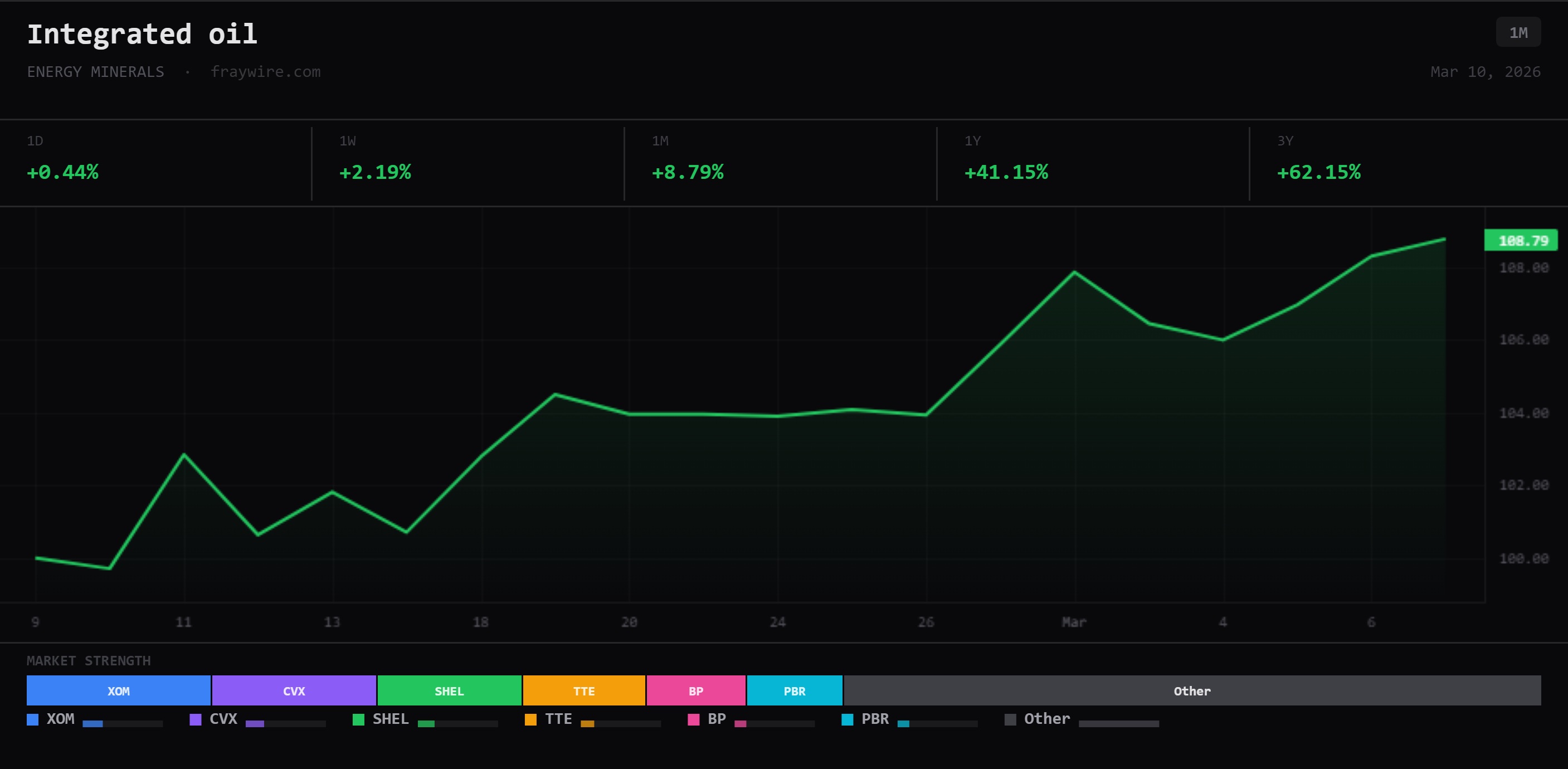
If professional money believed $119 oil was the new reality, integrated oil stocks would have spiked with it except they didn't. The Fraywire chart on integrated oil shows a steady, orderly climb — up 8.79% over 30 days and 41.15% over the past year. No vertical move. No panic buying at the top. XOM, CVX, and SHEL held their positions and didn't flinch when crude hit $119. Institutional money never believed the spike was real.

649244525_17953442967099555_3285073700064923016_n.jpg

The retail trade chased $119 oil but institutions waited. That divergence between commodity price and equity positioning is exactly the signal that gets missed when you're only reading headlines. The fear premium is unwinding because the American military has systematically degraded Iran's ability to threaten the strait. People underestimate what 19 warships and full air superiority actually means.

649531989_17953443012099555_8517024434036311785_n.jpg

To those who disagree, just look at the charts. Numbers scream. Oil took 48 hours to stabilize and oil stocks stayed buoyant. Nothing here signals panic except for the headlines. Institutional money outsmarted retail once again. If you like analysis like this and want more about industry, construction, and energy, consider subscribing to the newsletter and try our AI-powered news aggregator for free at glideslope.ai

Glideslope.ai — AI-Powered Market News
Real-time market news with AI-powered sentiment analysis, curated briefings, and Pulse — your intelligent financial news feed.
www.glideslope.ai

BM
@breakingmetrics