All ai construction economics energy game theory infrastructure iran oil pipelines
BM
@breakingmetrics
Mar 20, 2026 · 7:58 AM
pipelines ★ Featured

Everyone has been so focused on reopening the Strait of Hormuz that they forgot what's on the other side. The Saudi bypass pipeline was designed for 7 million barrels a day. The terminal at the other end wasn't built to match it. That gap is why $100 oil isn't a Hormuz problem. It's a construction problem. And it's solvable faster than anyone is saying.
post1_2.jpg

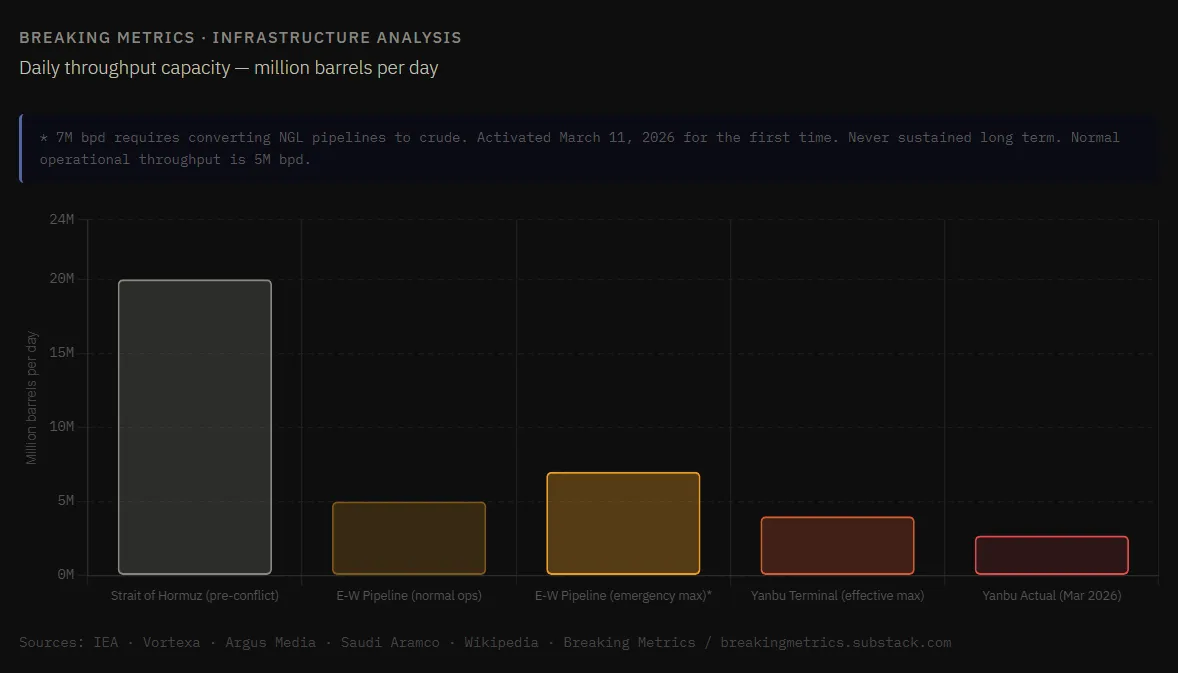
The market is pricing the pipeline number but pipeline isn't the bottleneck. 7 million barrels a day goes in to the harbor but only 3 million get to leave. That's the number that's moving oil prices and nobody is saying it out loud.

11d3dbc9-fda0-4ac2-bd47-2782f5df3fb5_1178x673.webp

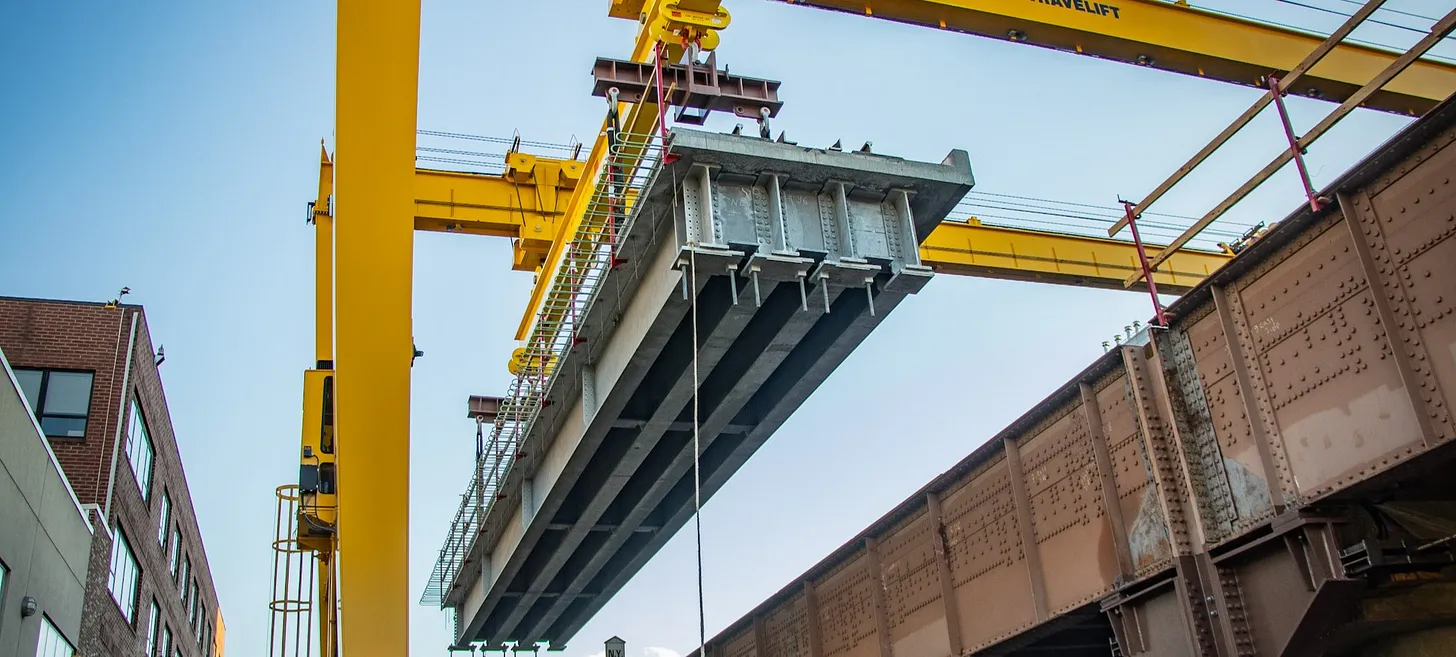
Most analysts are calling a full bypass solution a decade away. They're wrong. And they're wrong because not a single one of them has ever built anything. We rebuilt twenty city blocks of Metro rail infrastructure in New York City in three years. Live traffic. Union labor. Regulatory oversight at every stage. One of the most constrained construction environments in the world. A marine terminal expansion in the Saudi desert has none of those constraints.

be337408-64ec-4c25-b43b-5b0988c87fd9_2048x924.webp

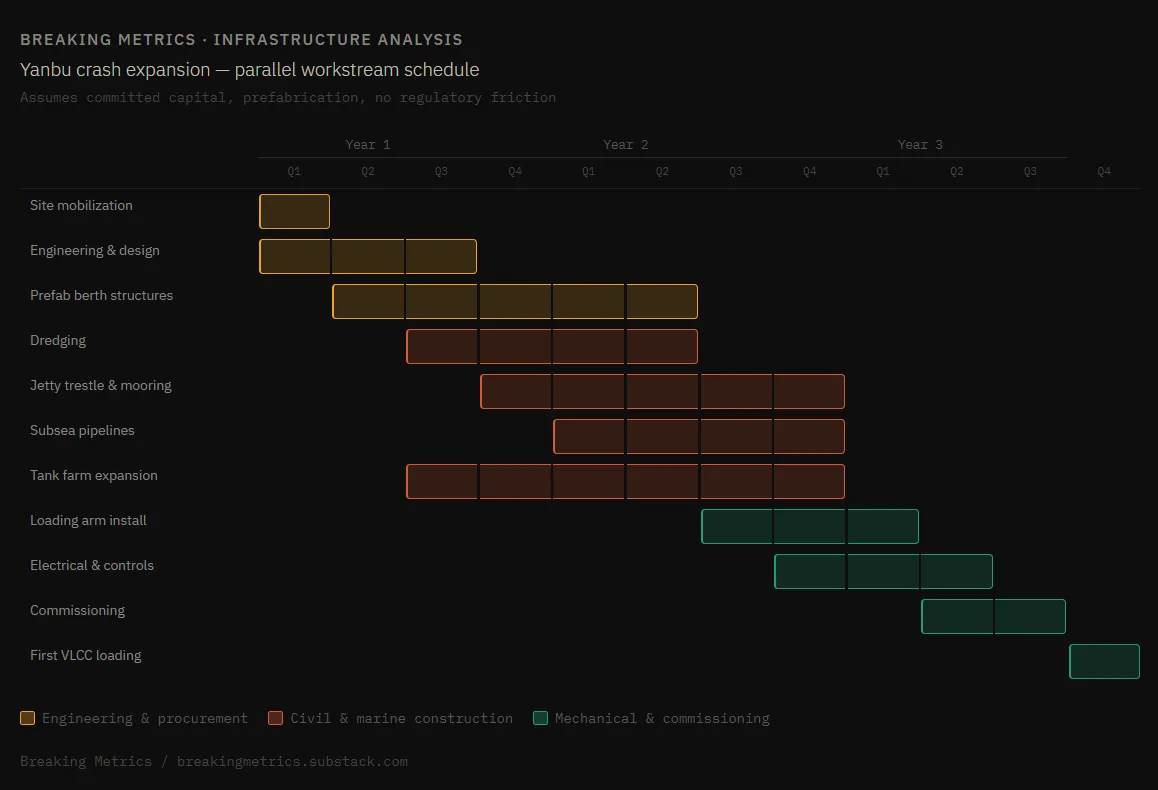
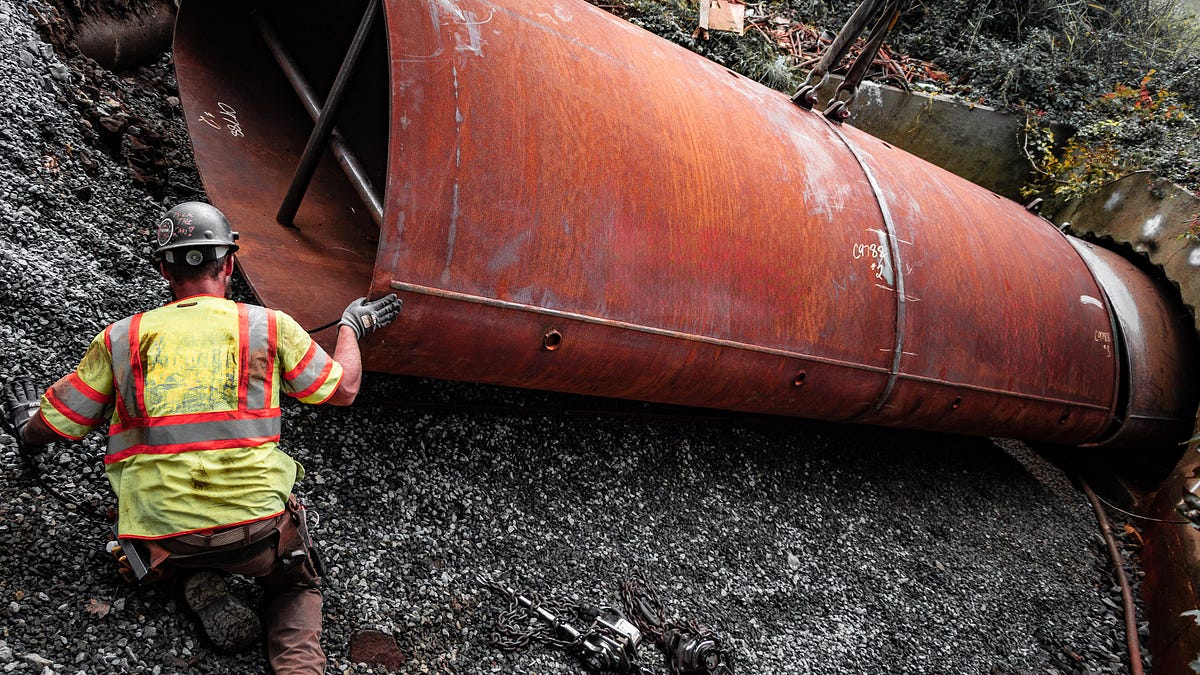
On a crash program with committed capital, meaningful Yanbu expansion is a 2 to 3 year program. Not a decade. Additional VLCC berths, expanded tank farm capacity, dredging; none of these things are experimental engineering. All of it can be prefabricated, modularized, and delivered in parallel workstreams. Every Gulf state has spent 40 years under the threat that Iran can close their only exit whenever it chooses. That threat is now being priced in real time at $100 a barrel.

8a07e450-577e-42b4-8804-fe630e74968d_1158x790.webp

Iran's real weapon isn't its missiles or its drones. It's the geography: 21 miles of water. The world had four decades to engineer around it. Every administration chose a carrier group over a construction project. The way you win this war isn't by escorting tankers through a kill box. You route around Iran and watch the leverage die. Read my full analysis here:

Spec Sheet Shitshow: Pipeline Capacities & Redundancies
Wartime problems have construction solutions.
breakingmetrics.substack.com

Saudi Pipeline pipelines Mar 15, 2026
BM
@breakingmetrics
Mar 15, 2026 · 4:29 PM
pipelines

The media telling you the Saudi pipeline solves the Hormuz closure. They read that number off a document. Not one of them has looked at what happens when that pipeline reaches the port. I've been building public infrastructure for over 16 years. Here's the first thing everyone should be checking.

IMG_4774 (1).jpg

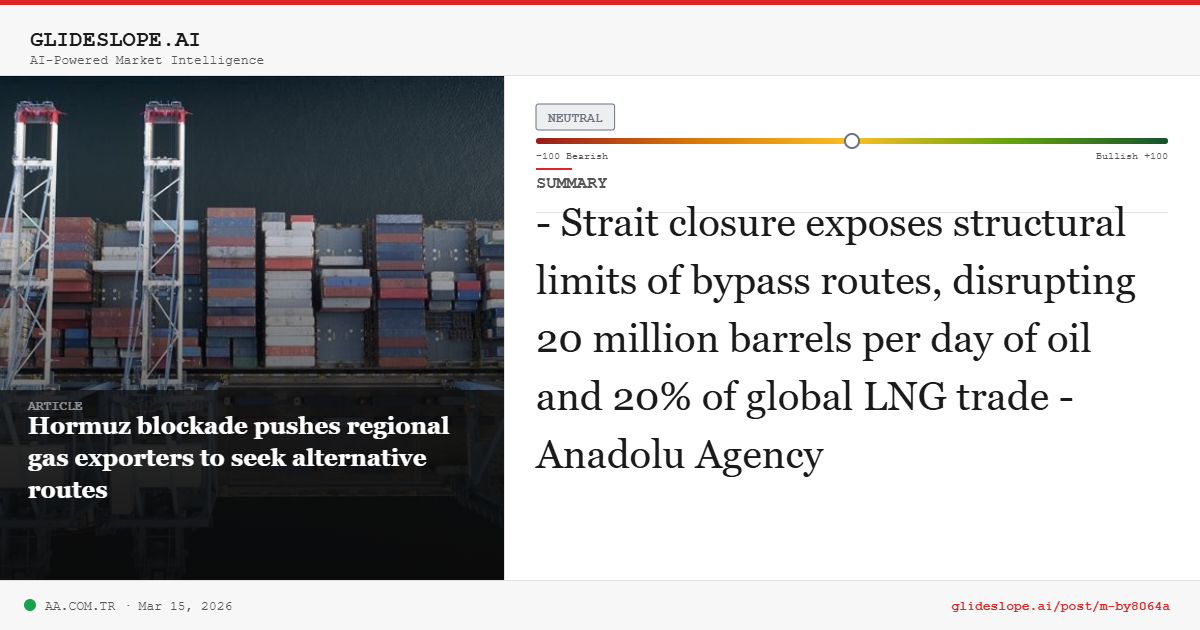
The Strait of Hormuz normally moves about 20 million barrels per day. The two pipeline bypasses that exist (Saudi Petroline and the UAE's Habshan-Fujairah line) can handle a combined 8.8 million barrels per day at their stated maximums. That's already a 55% gap before we even get to the terminal problem.

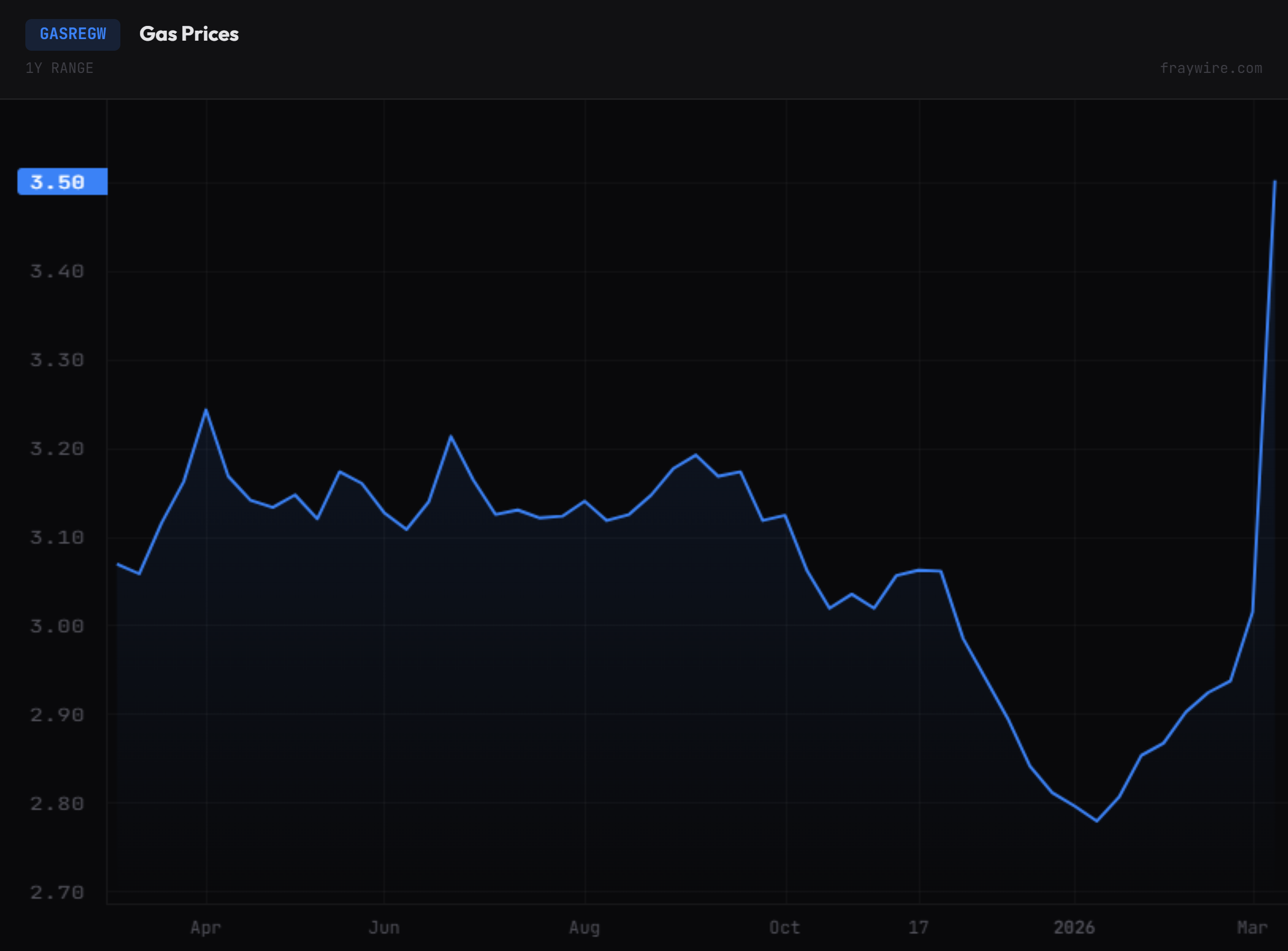
GASREGW_fraywire.png

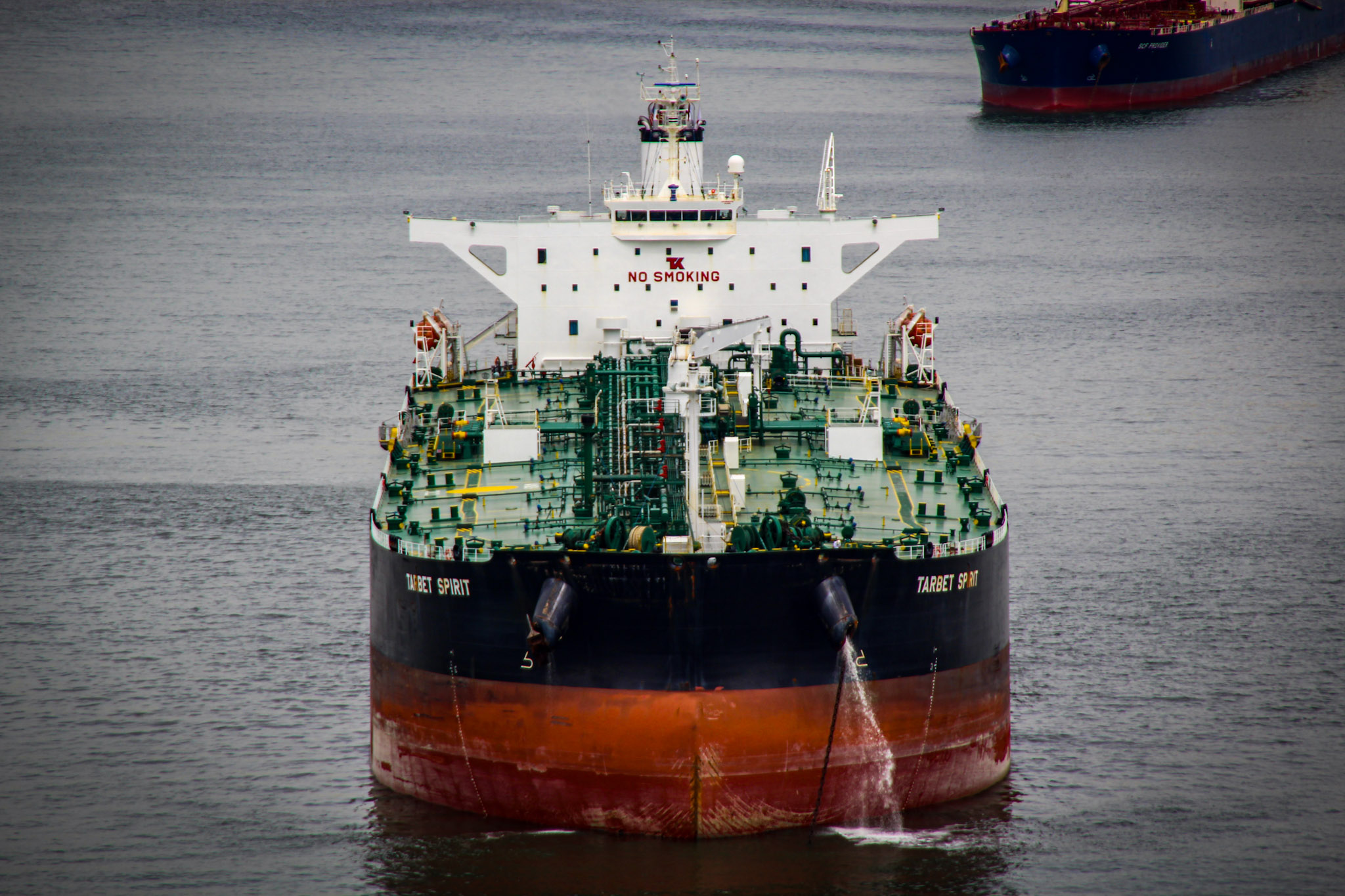
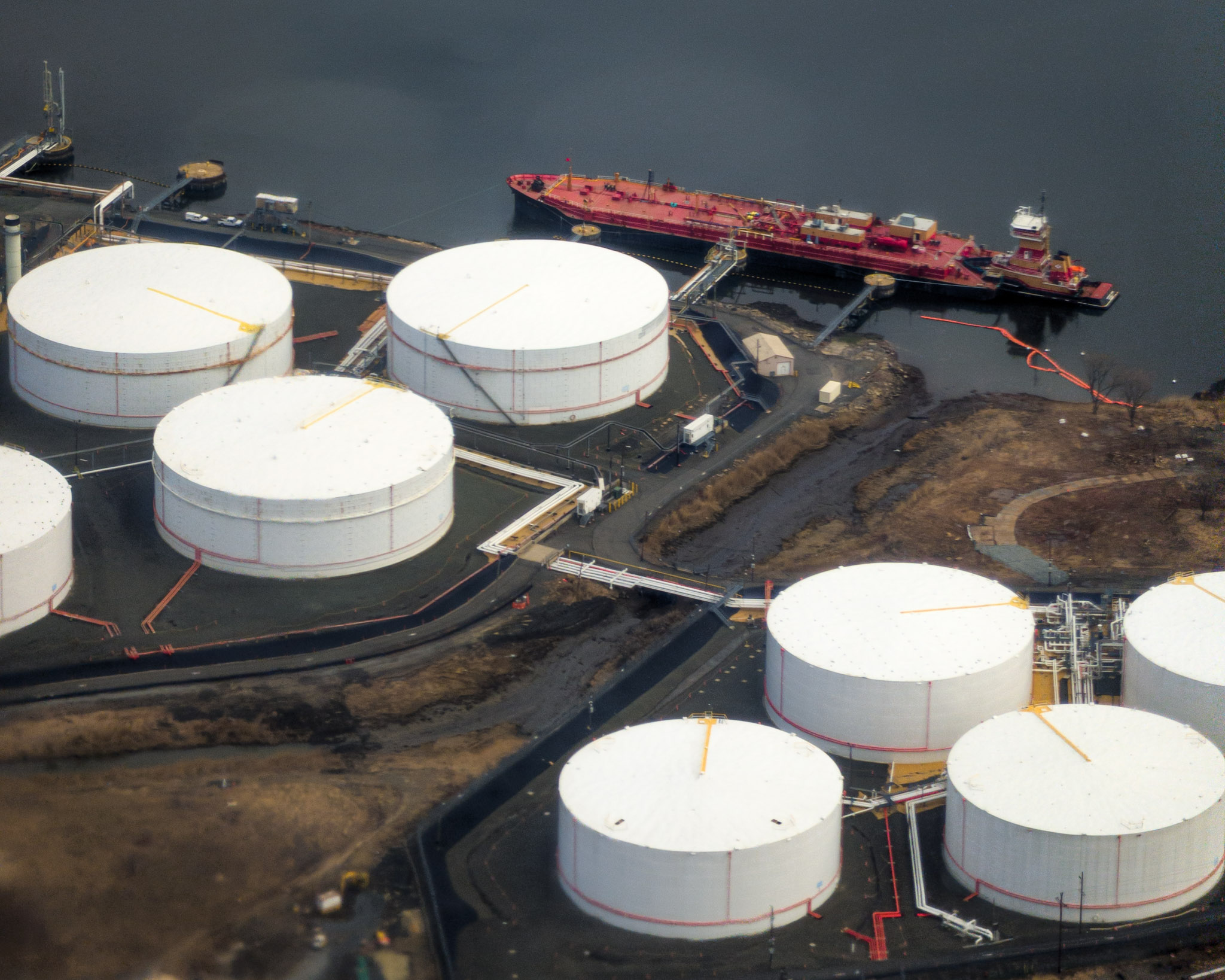
The terminal problem is this: The Saudi pipeline ends at Yanbu on the Red Sea. Yanbu was never designed to be Saudi Arabia's primary export hub. Analysts estimate the port's actual loading capacity at around 3 million barrels per day. So you have a 7 million barrel pipeline feeding a 3 million barrel terminal. In construction we call that a bottleneck. In the oil market they're calling it a bypass.

gs-snap-banner-m-by8064a.png

To put that in context: Yanbu at maximum load capacity covers about 15% of what the Strait normally moves on any given day. The UAE's Fujairah terminal adds roughly another 1.5 million barrels per day and it has already been hit by Iranian drones. We're not talking about a detour. We are talking about a straw trying to drain a swimming pool.

wic-snap-2026-03-15T17-26-10.png

And that's just the oil. For liquefied natural gas there is no pipeline alternative at all. Qatar moves 93% of its LNG through the Strait. There is no overland route, no terminal workaround, and no plan B. Every BTU of Qatari gas destined for Europe and Asia has exactly one exit and Iran controls the door.

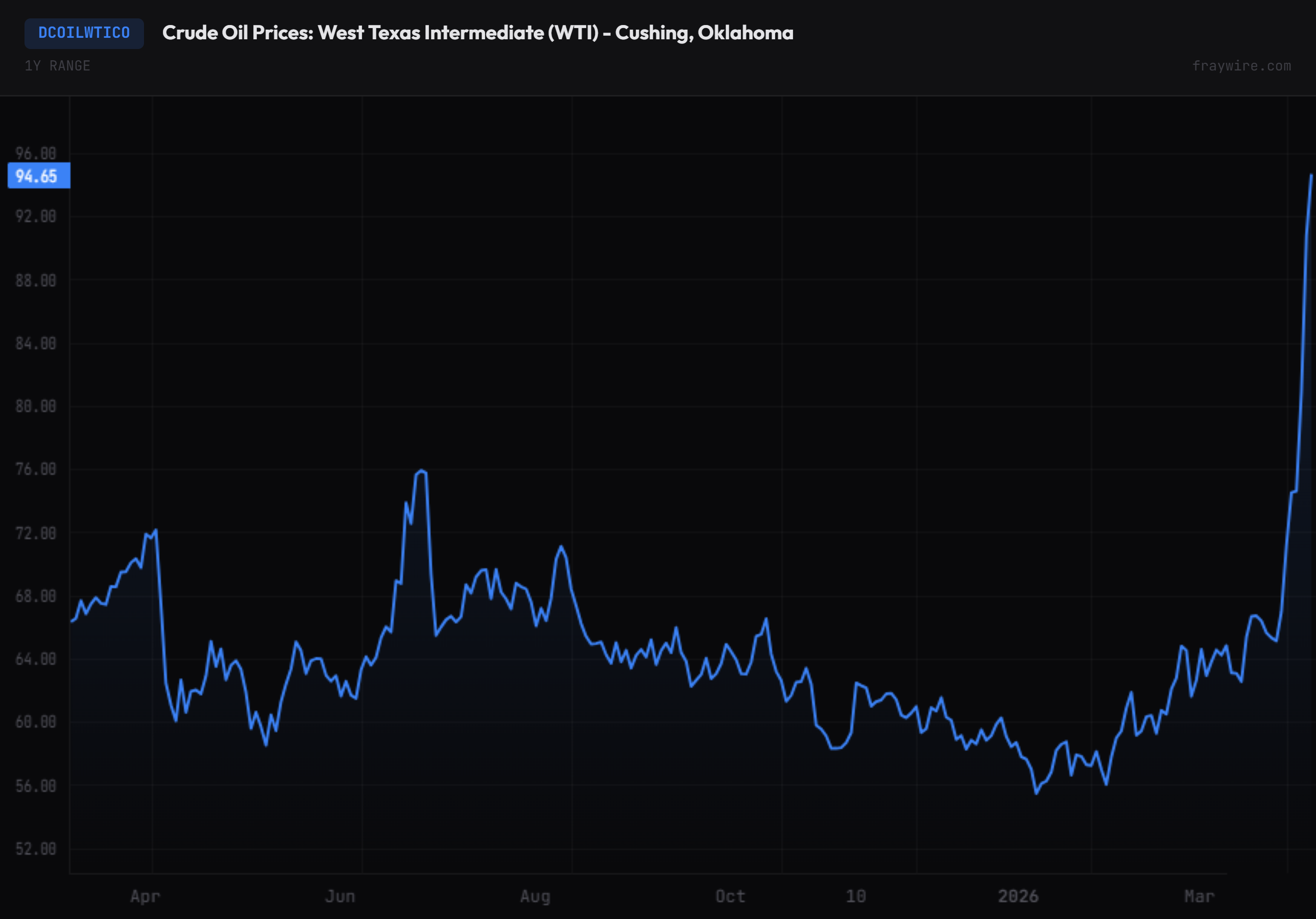
DCOILWTICO_fraywire.png

The world spent 40 years building redundancy into oil infrastructure after the Iran-Iraq war. Nobody built redundancy for LNG because nobody thought they needed to. That assumption is getting stress tested right now at $100 a barrel and climbing. The engineers knew the gap existed. The market is only now doing the math. If you want more insider takes from a civil engineer's perspective, consider subscribing to my Substack: https://breakingmetrics.substack.com

Breaking Metrics | Substack
Civil engineer and investor writing about markets, geopolitics, and how real-world systems break. Click to read Breaking Metrics, a Substack publication with hundreds of subscribers.
breakingmetrics.substack.com

BM
@breakingmetrics