4 results in energy
All ai artificial intelligence blockade construction economics energy game theory inflation infrastructure iran money oil pipelines
BM
@breakingmetrics
Apr 20, 2026 · 11:59 AM
energy

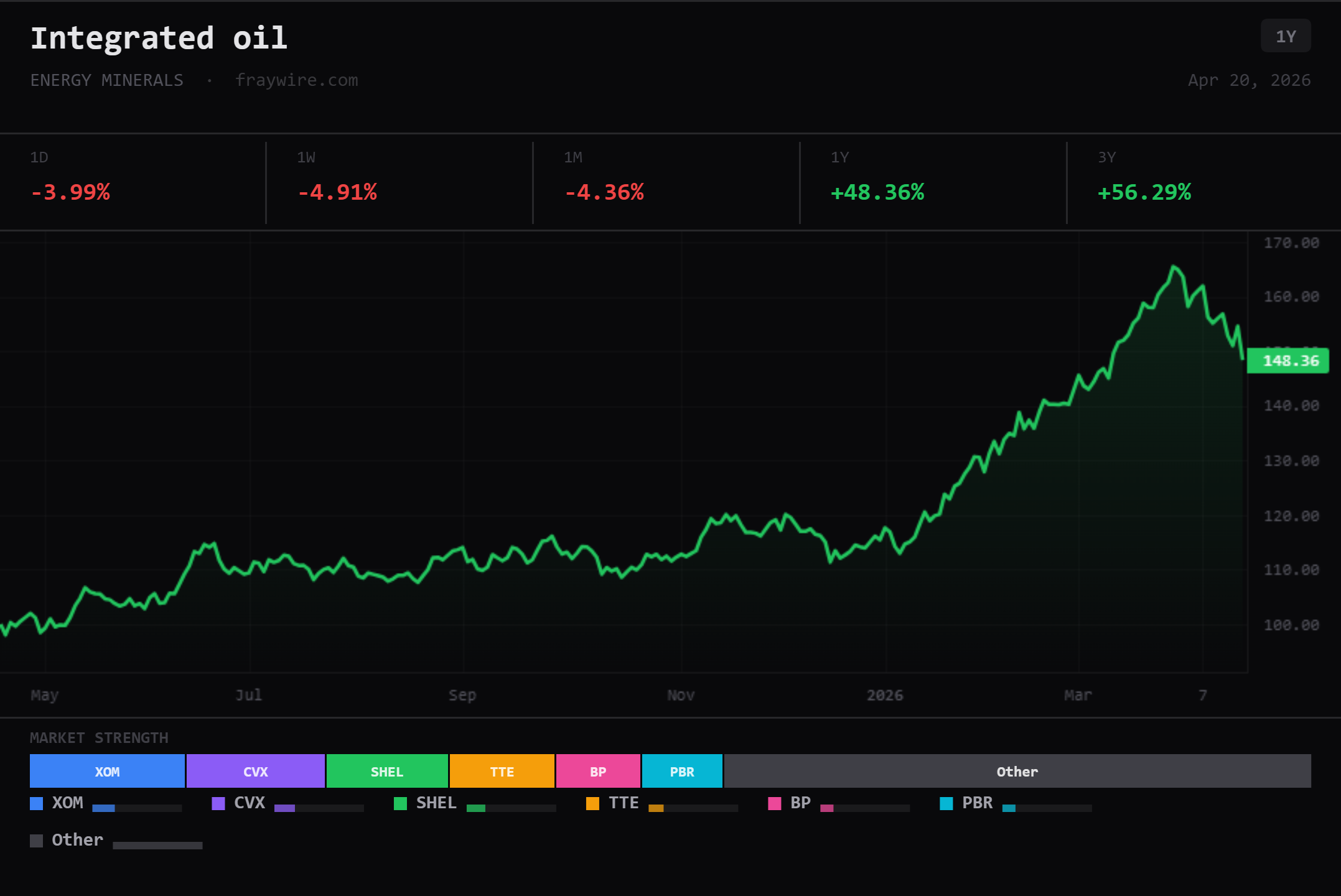
Integrated oil was flat for almost a year. Then in early January, the US took Maduro out of the picture, and the entire sector broke vertical. XOM, CVX, Shell, TotalEnergies, BP, Petrobras — all of them, same week, same trajectory. The chart is a signal. While every analyst on social media has been staring at Hormuz, something much bigger has been happening in the Western hemisphere.

IMG_7595.jpg

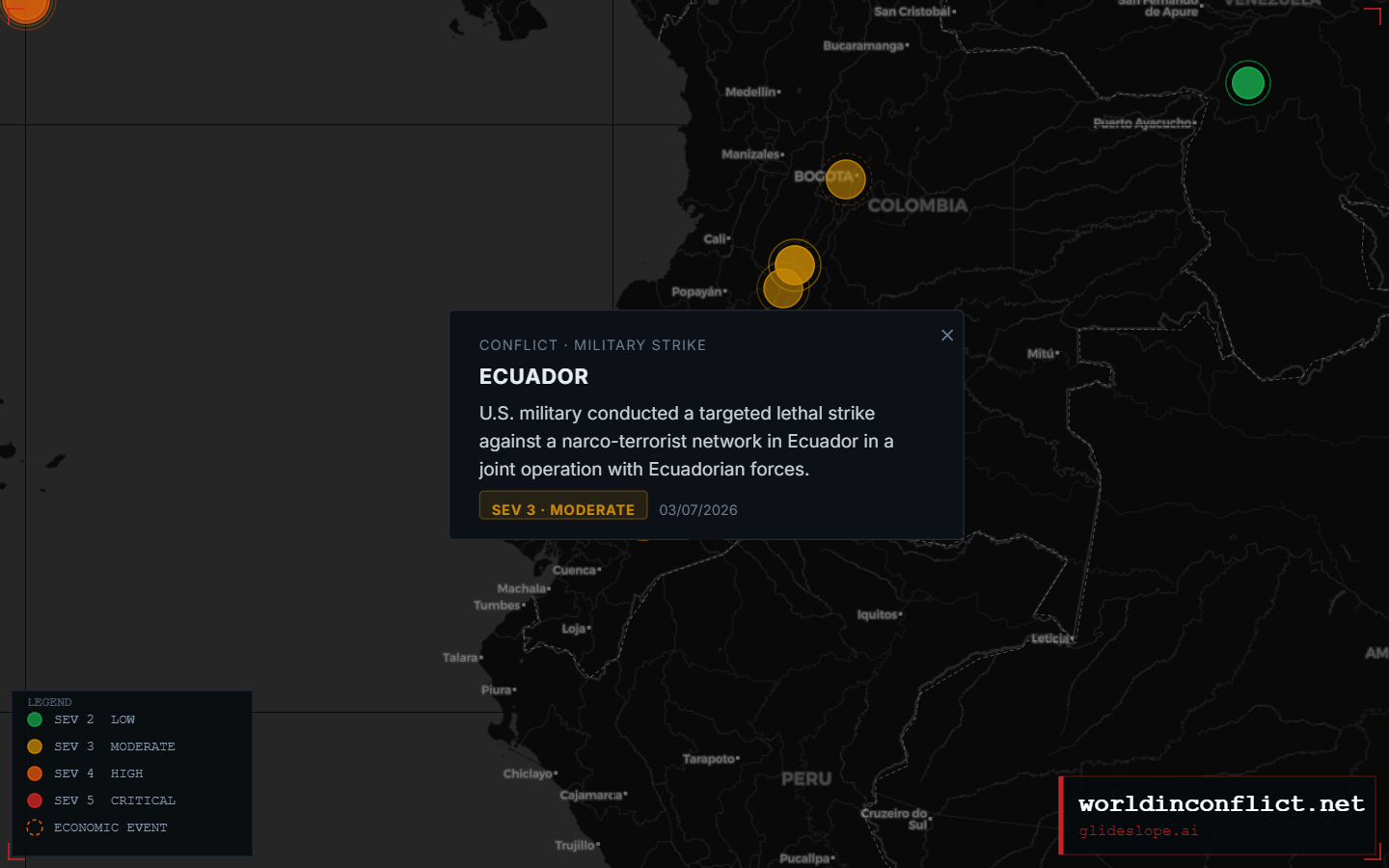
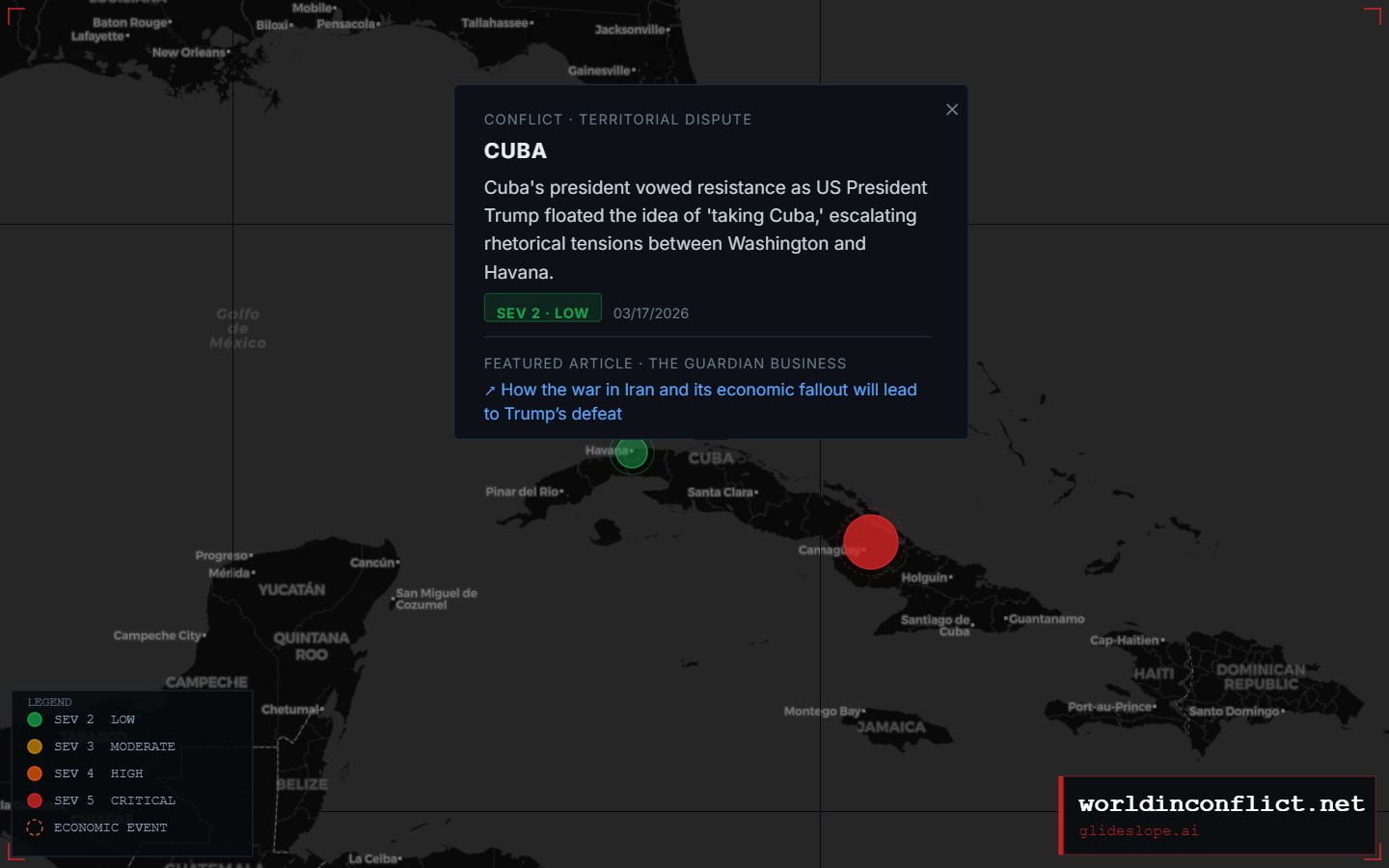
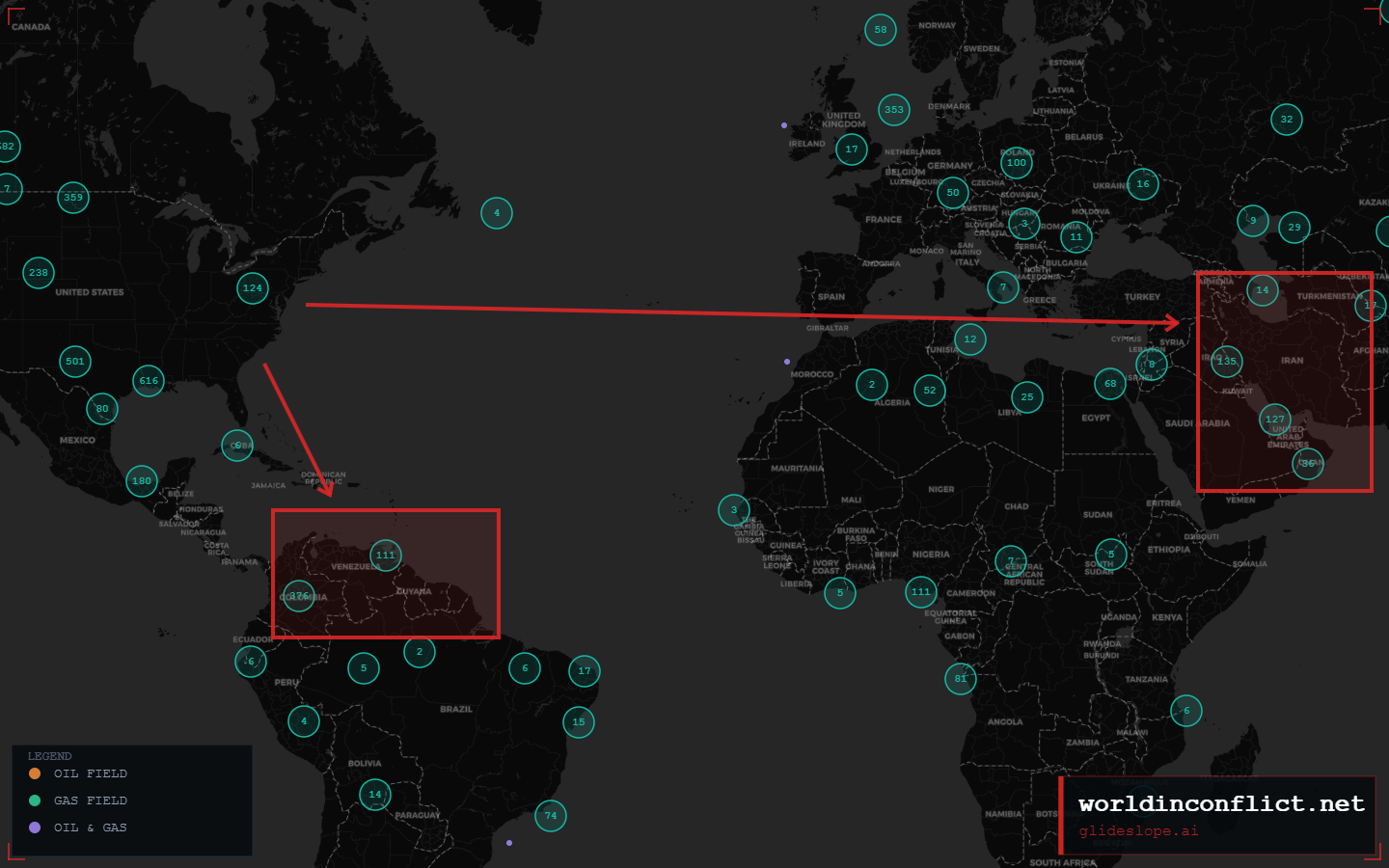
The sequence is what nobody is connecting: January: Maduro removed. March: US military strike on a narco-terror network in Ecuador. March: Acting Venezuelan president consolidates control by replacing the sanctioned defense minister with the intelligence chief. March: Trump floats taking Cuba. April: Naval blockade of Iran, Touska boarded, IRGC's Hormuz closure priced to zero by the S&P. These are not five separate headlines. This is one campaign with a start date and a tempo.

wic-snap-2026-04-20T16-18-10.png
wic-snap-2026-04-20T16-19-21.png
wic-snap-2026-04-20T16-20-06.png

Cuba is next, likely sometime after the midterms when the political cost of direct action drops and the hemispheric picture is close enough to finish. A secured Caribbean and a pacified Venezuela put US energy security on a foundation it hasn't had since the 1950s. Western majors get drilling access to the largest crude reserves on the planet, and the capex cycle that the integrated oil chart just previewed becomes a multi-year supercycle. That's the domestic half of the trade.

Integrated_oil_industry_fraywire.png
wic-snap-2026-04-20T16-22-01.png

The other half is Beijing. The Trump administration isn't just securing its backyard. It is running a live demonstration of supply chain choke doctrine on Iran, in full view of the Chinese Communist Party, while Taiwan sits inside a narrowing decision window. The Iran campaign is the rehearsal. The hemispheric consolidation is the staging. Taiwan is the audience.

gs-snap-banner-image-xpcm6v1.png

Three things I'm tracking this week: 1. What the integrated oil pullback looks like when the next leg of the hemispheric campaign becomes visible, and which majors are best positioned for Venezuelan and Cuban access. 2. How the Chinese Politburo is reading the Iran blockade, and whether Taiwan posture shifts before the midterms. 3. Why the Gulf States, the Saudis, and the Western majors are all moving in the same direction at the same time for the first time since the 1970s.

fraywire-wheel-2026-04-20.png
Integrated_oil_industry_fraywire.png

If you got this far, consider becoming a Breaking Metrics subscriber for free and follow my weekly analyses on energy, infrastructure, and capital flows. Get started at: https://www.breakingmetrics.com

Breaking Metrics — Real Economy Intelligence
Independent intelligence covering industry, construction, manufacturing, and energy. Newsletter, market tools, and data platforms.
www.breakingmetrics.com

America wins. energy Apr 17, 2026
BM
@breakingmetrics
Apr 17, 2026 · 11:39 AM
energy

Markets don't print all time highs when the Navy is losing a war. The S&P drew down 9% during the full Iranian closure, barely scratching correction territory, and closed Friday above 7,000 after the Navy blockaded Iranian ports in the Persian Gulf. Iran re-routed ships around Larak this morning trying to reclaim leverage. The market already stress-tested this thesis and priced the answer. Here's what smart money saw while everyone else argued over Iranian AI slop.

IMG_5717.jpg

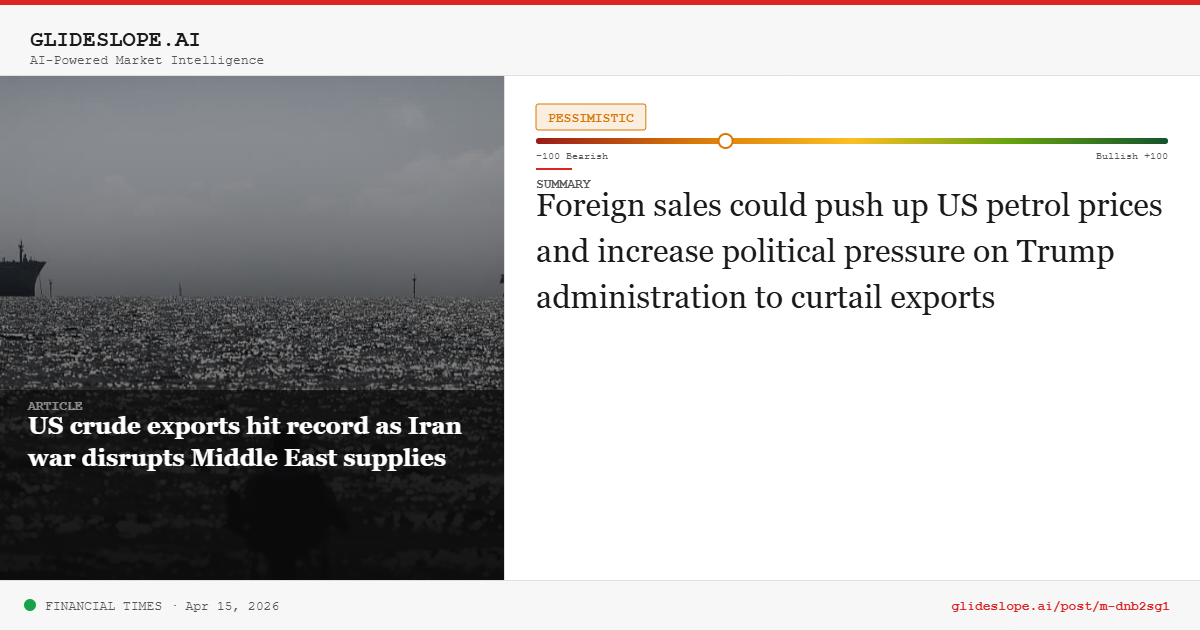
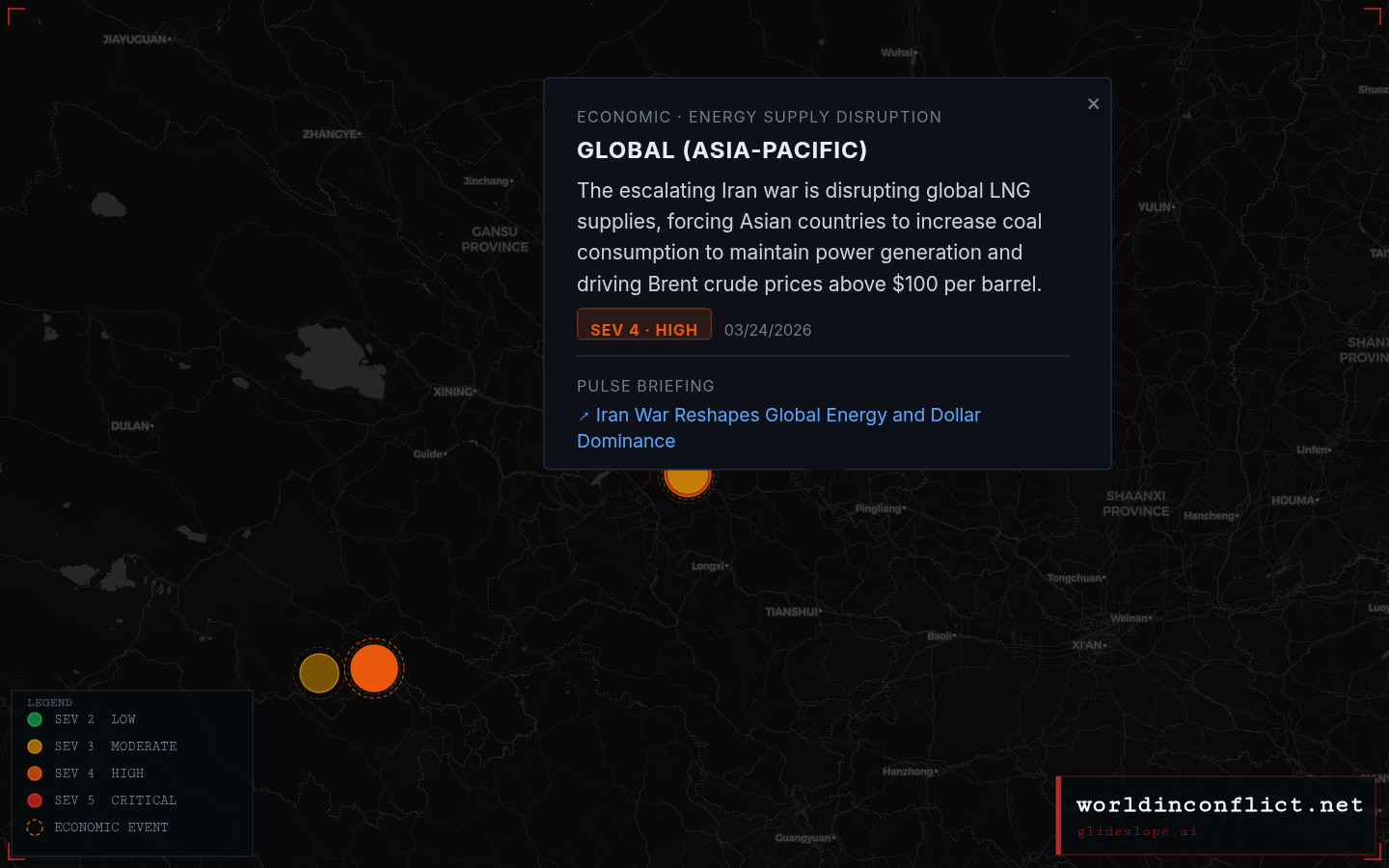
$58 billion in damaged Middle East energy infrastructure. Europe six weeks from jet fuel cancellations. Gasoline up 13% in a month. The IEA is calling it the biggest energy crisis the continent has ever faced. For the US? Record oil exports and roughly $1.4 Trillion slated for AI infrastructure. If you're making a bet on what 2027 looks like, you're betting on a booming economy and that's exactly what the markets just told us.

gs-snap-banner-m-dnb2sg1.png

The US is securing its position as the dominant global energy hegemon. From Venezuela to Greenland to Iran, the US is giving China and Russia a gentle reminder that oil and natural gas don't move without US approval. AI data centers aren't built with hopes and dreams.

wic-snap-2026-04-17T15-36-18.png

I wrote about what the market is actually pricing, why a 9% drawdown and all-time highs during a blockade aren't a mistake, and where the money flows from here. New brief on Breaking Metrics: Magic 8 Ball https://open.substack.com/pub/breakingmetrics/p/magic-8-ball

Magic 8 Ball
The market is predicting a boom in AI, construction, and American energy dominance.
open.substack.com

This isn't over. energy Apr 6, 2026
BM
@breakingmetrics
Apr 6, 2026 · 5:41 PM
energy

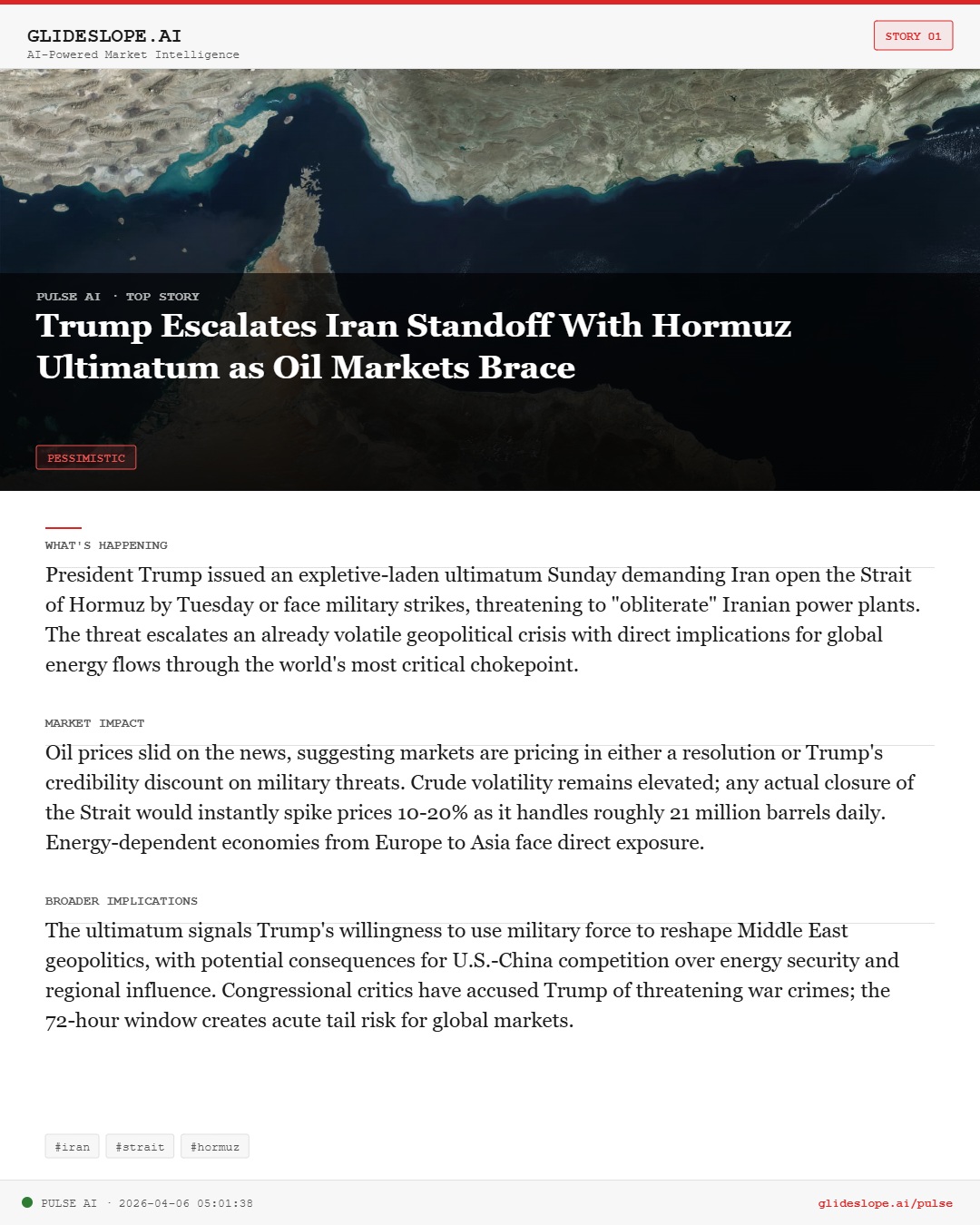
I've been pricing oil and steel into public infrastructure contracts for 16 years. When Trump threatened to obliterate Iranian power plants on Sunday, crude dipped, then surged past $111. The market got more information and repriced fast. It's telling you this isn't over.

658975361_17959155408099555_412267194175818889_n.jpg

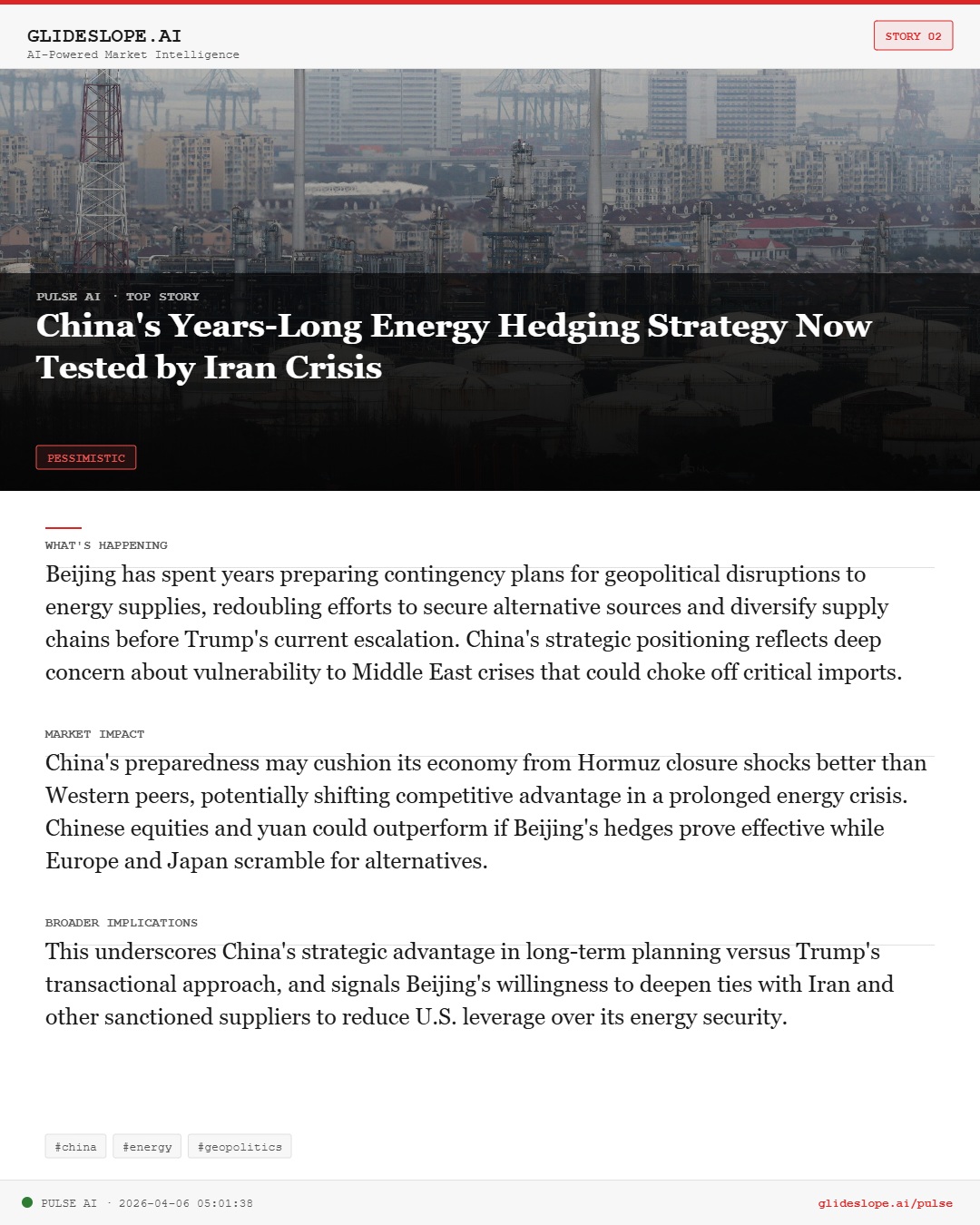
21 million barrels a day move through Hormuz. Oil slid on the ultimatum anyway. China's renewable push is like buying flood insurance on a house it already knew was underwater. India resumed Iranian imports after seven years and the headlines are calling it a geopolitical realignment, but the simpler read is that India bought the cheapest barrel available. Anyone who's managed a supply chain knows the difference between a foreign policy statement and procurement.

659719326_17959154739099555_5029518680235430288_n.jpg
661344883_17959154754099555_616869752488914140_n.jpg

China scrambling, India buying cheap, and oil sliding on a military ultimatum all landed in the same weekend, and they're not three separate stories. If you want to understand what ties them together, Breaking Metrics has been tracking the energy, infrastructure, and strategy angle on this conflict for weeks. Everything's right here: breakingmetrics.substack.com

Breaking Metrics | Substack
Civil engineer and investor writing about markets, geopolitics, and how real-world systems break. Click to read Breaking Metrics, a Substack publication with hundreds of subscribers.
breakingmetrics.substack.com

We can't find enough welders energy Mar 26, 2026
BM
@breakingmetrics
Mar 26, 2026 · 9:10 PM
energy

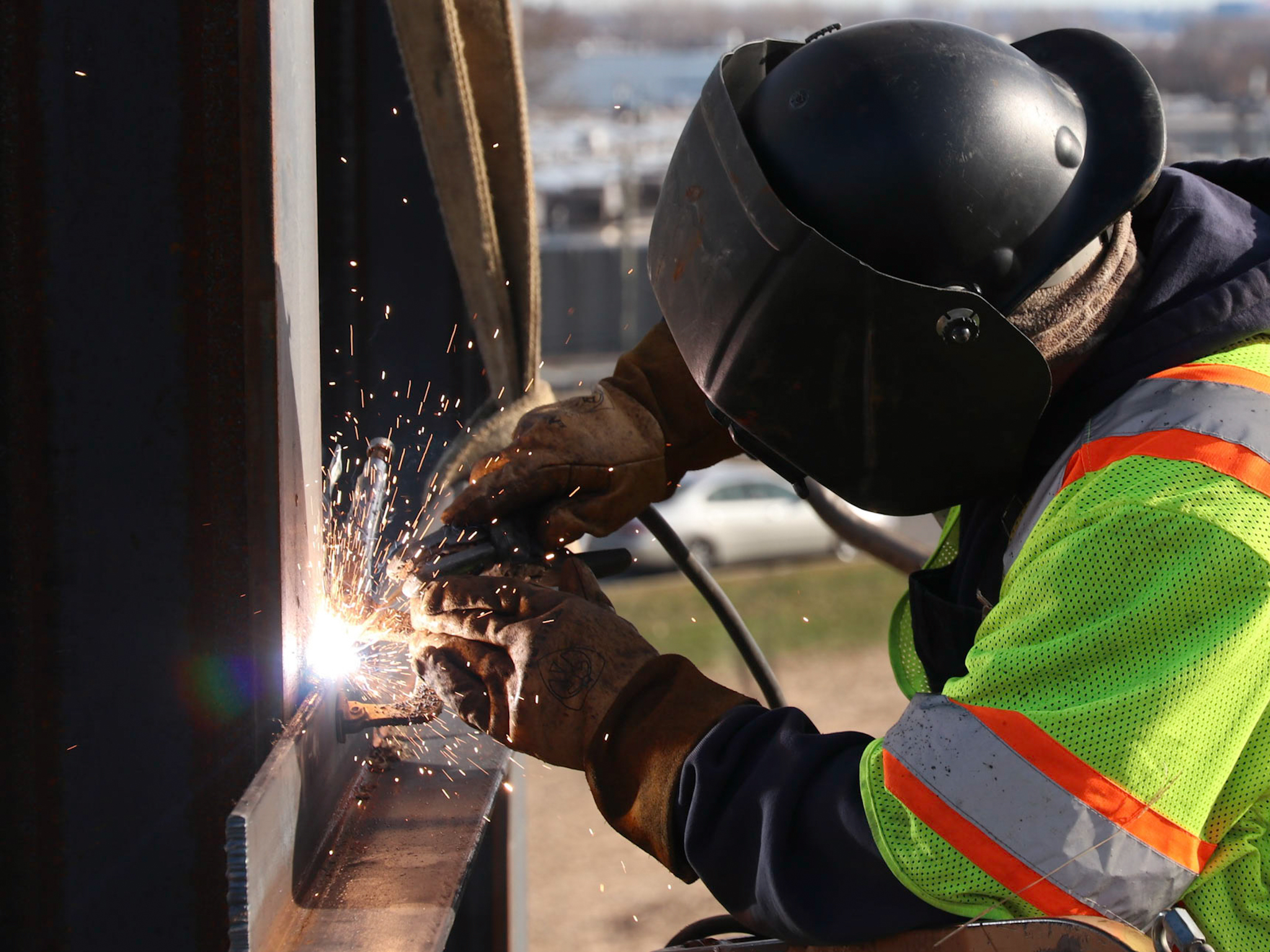
The S&P just posted its worst day since the Iran conflict started. Central banks are warning of an oil-driven inflation spike. And America's nuclear buildout is stalling because we can't find enough welders. Nobody's asking why all three of these are happening at the same time.

16114.jpg

America has spent the last decade telling an entire generation that building things was someone else's job. The trades got left behind. And now we're trying to fight an energy war that requires ironworkers, pipefitters, and nuclear technicians we don't have enough of.

16107.png

The geopolitical strategy is real. The tariffs, the energy chokepoints, the pressure on China's supply chain; all of it points in the right direction. But a strategy that depends on domestic industrial capacity only works if that capacity actually exists. Right now it doesn't, and the market is starting to price that in.

16109.png

Tomorrow I'm showing you where this started and why it's been hiding in plain sight for a decade. Get the full briefing at: https://www.breakingmetrics.com

Breaking Metrics — Real Economy Intelligence
Independent intelligence covering industry, construction, manufacturing, and energy. Newsletter, market tools, and data platforms.
www.breakingmetrics.com

BM
@breakingmetrics